Türkiye and Qatar Sign Mutual Defense Pact in Istanbul

Türkiye and Qatar signed a mutual defense agreement among five accords inked in Istanbul on Friday, as President Recep Tayyip Erdoğan hosted Qatari Emir Sheikh Tamim bin Hamad Al Thani for the two countries’ High Strategic Committee talks. Anadolu Agency, which reported the signing, did not detail what obligations the pact creates — only that Erdoğan and Sheikh Tamim signed it personally at the Presidential Dolmabahçe Office.
The defense pact was the headline item among five agreements signed the same day. The others covered consumer protection and market surveillance, signed by Trade Minister Ömer Bolat and Qatar’s Commerce and Industry Minister Sheikh Faisal bin Thani bin Faisal Al Thani; educational cooperation, signed by Education Minister Yusuf Tekin and Qatari Minister of State Mohammed bin Abdulaziz Al-Khulaifi; a memorandum on peace, reconciliation and conflict resolution, signed by Foreign Minister Hakan Fidan and Qatari Prime Minister and Foreign Minister Sheikh Mohammed bin Abdulrahman Al Thani; and a joint declaration marking the committee meeting itself, also signed by Fidan and Sheikh Mohammed.
What isn’t known yet
Neither government has published the text of the defense agreement, so its scope — whether it commits either side to specific military action, intelligence-sharing, basing rights or defense-industrial cooperation — is not public. That is worth flagging clearly: Türkiye has in recent months signed a run of defense instruments with varying legal weight, from binding mutual-defense clauses to looser cooperation memoranda, and conflating the two overstates what any single signing actually commits a government to do.
What is established is the relationship the new pact builds on. Türkiye has maintained a permanent military presence in Qatar since 2015 at the Tariq bin Ziyad base, hosting land, naval and air force personnel under an existing bilateral security framework. In October 2025, SSB President Haluk Görgün and Qatar’s then deputy premier and defense minister signed a defense-industry cooperation memorandum in Doha, though no specific joint programs were named at the time. A year later, in October 2026, Qatar joined Türkiye, Pakistan and Indonesia in signing the multilateral Badr memorandum on defense cooperation, aimed at expanding joint production and technology-sharing among the four.
Part of a wider pattern
Friday’s signing follows the model Türkiye has been building with Gulf and South Asian partners over the past year. In August, Türkiye, Saudi Arabia and Pakistan signed the Mecca Joint Defence Agreement, under which an attack on one signatory is treated as an attack on all three; Türkiye’s parliament ratified that pact on November 6; its law was published in the Official Gazette on November 14, 2026, bringing it into force domestically. Whether the new Türkiye-Qatar agreement follows the same mutual-defense template, or is a lighter cooperation instrument carrying the “defense” label without the Mecca pact’s collective-defense clause, is exactly the detail that has not yet been made public.
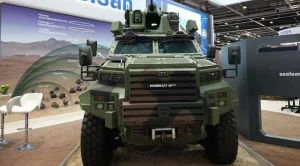
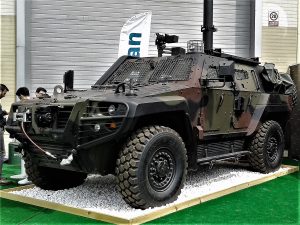
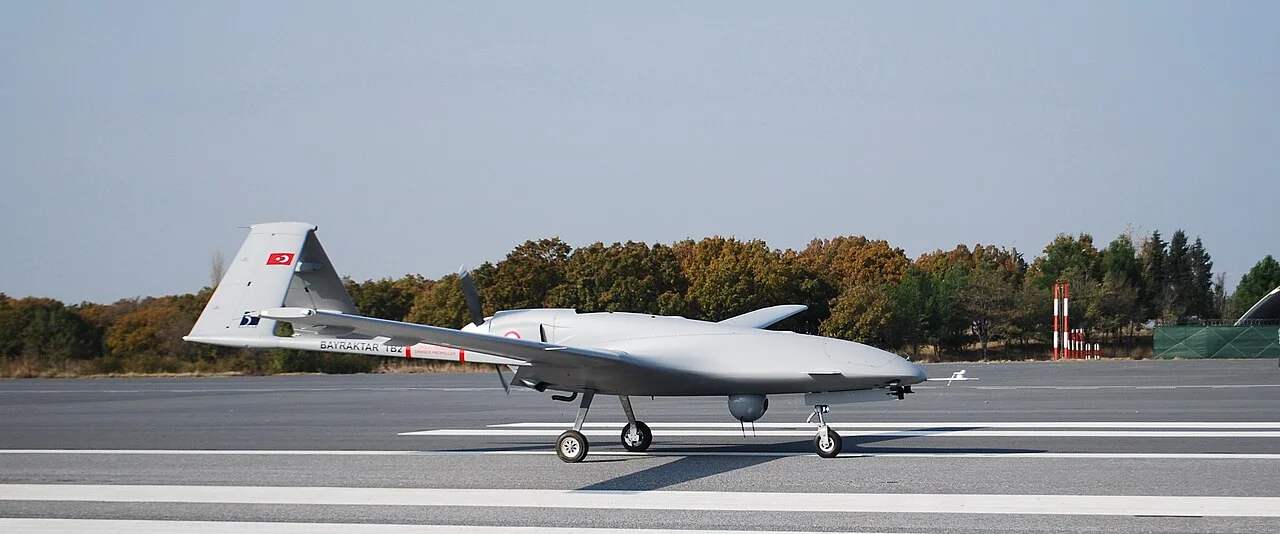
For outside observers, the direction of travel matters more than any single signing: Ankara is stitching together a web of defense commitments across the Gulf and South Asia, layering mutual-defense pledges, industrial cooperation and multilateral memoranda in roughly twelve months. Qatar is already among the more active buyers of Turkish-origin equipment, and a formal defense pact — whatever its precise legal content turns out to be — gives both sides a political framework to build further procurement and industrial deals on, much as the Mecca pact has already been cited by SSB officials pursuing joint-production talks with Riyadh.
DefenceTürkiye will update this story once the text of the Türkiye-Qatar defense agreement, or an official readout of its provisions, becomes available.
Source: Anadolu Agency.