TİTRA to Supply Pakistan’s NRTC With Over 100,000 FPV Drones

A small Ankara-based drone maker has signed one of the largest unmanned systems orders disclosed by any Turkish company this year. TİTRA Technology, a subsidiary of Istanbul-listed Pasifik Teknoloji, confirmed on Türkiye’s Public Disclosure Platform (KAP) on September 19 that it had signed a three-year agreement with Pakistan’s National Radio and Telecommunication Corporation (NRTC) covering more than 100,000 unmanned systems, with part of the production to be assembled locally in Pakistan.
The headline number is 100,000 Merküt first-person-view (FPV) kamikaze drones, Pasifik’s answer to the cheap, disposable attack drones that have become a defining weapon of the Russia-Ukraine war. The package also includes 10 Alpin unmanned helicopters, 25 Dumrul mini rotary drones, 500 Deli-series loitering munitions and 250 Korgan autonomous ground units, which Pasifik describes as support and surveillance systems rather than flying platforms. None of the companies involved has disclosed a contract value.
A Framework Agreement That Grew Over the Summer
The September contract did not come out of nowhere. Pasifik had already disclosed, back in May, that it signed a framework agreement for unmanned systems with what it called a “technology and defense institution” in a “friendly and allied” country, without naming the buyer. Industry sources identified that country as Pakistan at the time, a reading Türkiye’s financial press has since treated as settled now that NRTC appears by name in the September KAP filing.
Between May and September, Pasifik says the two sides ran field tests and training on the Merküt, Dumrul and related systems before converting the framework into a firm, three-year sales, distribution and local-production agreement. The company’s own language on timing is cautious: it says only that “production and delivery of the ordered products will begin in the near future,” without giving a first-delivery date or a breakdown of how the 100,000 Merküt units will be phased over the life of the contract. According to analysis by Quwa, a specialist outlet covering Pakistani defence procurement, a baseline value in the range of $100 million would be “reasonable” against comparable drone programs elsewhere, though Quwa is careful to note this is an outside estimate, not a disclosed figure.
What NRTC Is Actually Buying
NRTC is a Pakistani state-linked technology and defense-electronics organization rather than a frontline military service, and it has acted before as a channel for licensing and locally assembling foreign unmanned systems for Pakistan’s armed forces. That role fits the structure of this deal, which pairs a very large FPV drone order with a smaller batch of more complex rotary platforms and ground equipment.
- Merküt (Mercury): An FPV kamikaze drone built by SAVX Teknoloji, a TİTRA subsidiary. It is the low-cost, high-volume core of the order, reflecting the same mass-produced loitering-munition logic that Turkish and Ukrainian manufacturers alike have adopted since 2022.
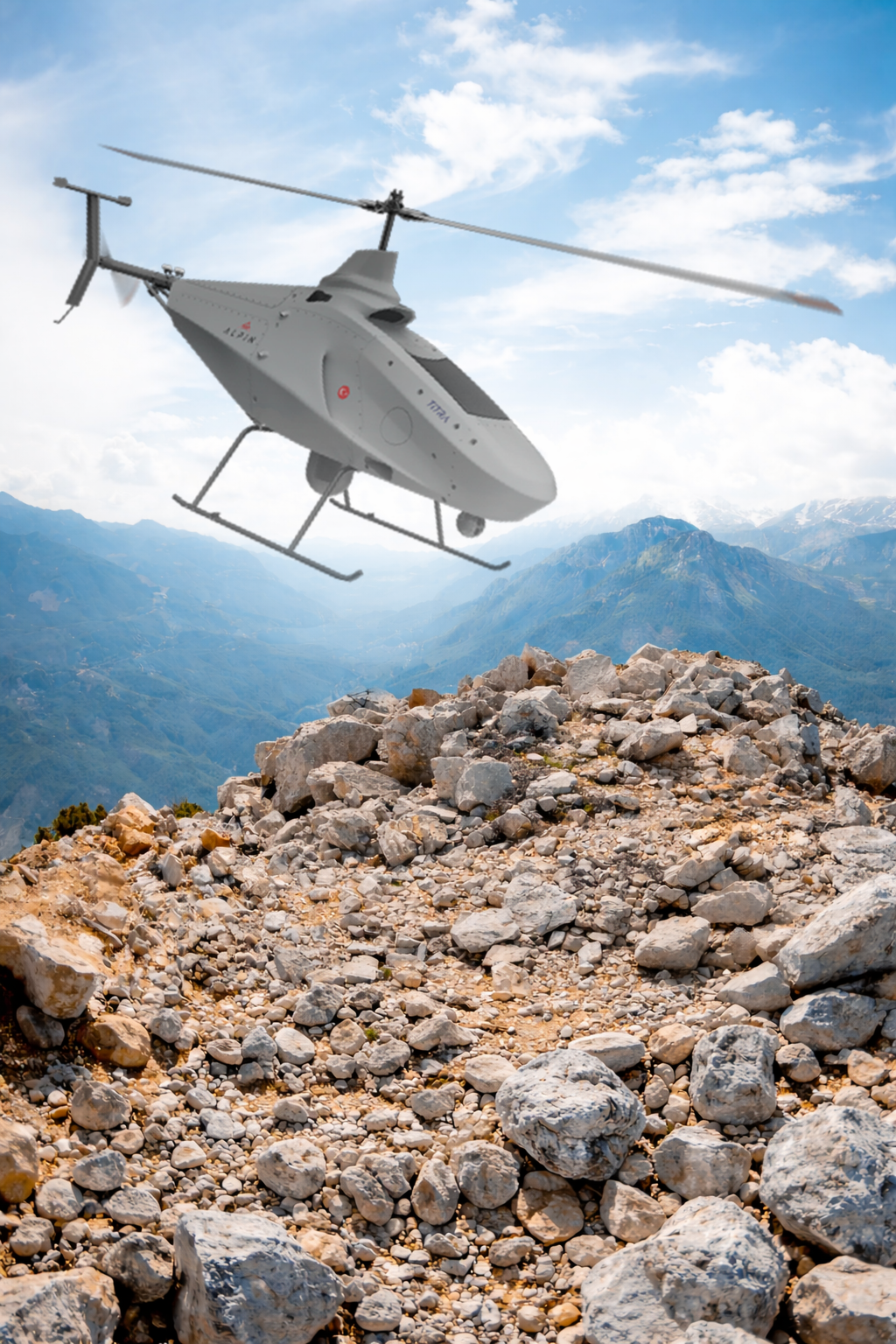
- Alpin and Dumrul: TİTRA’s unmanned helicopters, with Dumrul already shown publicly at NATO’s REPMUS exercise in Portugal in 2026. These are more capable, more expensive platforms than the Merküt and are ordered in far smaller numbers.
- Deli-series: Loitering munitions in TİTRA’s catalogue, positioned between the disposable FPV drones and the larger rotary platforms.
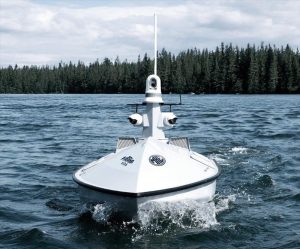
- Korgan: Ground-based autonomous units that Pasifik has described in terms of surveillance and support rather than strike roles; public technical detail on the system remains limited.
A Second Tier of Turkish Drone Exporters Is Emerging
Baykar and Turkish Aerospace still dominate headlines on Turkish unmanned exports, but this contract is a reminder that a second tier of smaller manufacturers, less familiar to international readers, is finding its own export customers for cheaper, mass-producible systems. SAVX and TİTRA sit alongside firms such as Skydagger, whose kamikaze drones have reached more than 30 countries, and whose FPV drones Baykar itself tested as a carried payload on the Bayraktar TB2 earlier this month, in a Turkish FPV and loitering-munition sector that has grown rapidly since the war in Ukraine normalized demand for expendable attack drones.
For Pakistan, the deal adds to a defense-industrial relationship with Türkiye that already spans MİLGEM-derived corvettes, T129 ATAK attack helicopters and a role in the Mecca Defence Pact framework alongside Saudi Arabia, part of a broader pattern the two countries have built up over the past several years. Unlike those larger, more visible programs, this agreement is squarely about volume: tens of thousands of cheap strike drones that can be fielded, lost and replaced at a rate that conventional guided munitions cannot match, plus the licensed production capacity to keep making them at home once the initial batches arrive.
What Remains Unconfirmed
Several important details have not been made public by either side. Pasifik has not disclosed the contract’s financial value, and no delivery schedule has been published showing how the order is split across the three-year term. The precise division of production between Türkiye and Pakistan — what share of the 100,000 Merküt units will actually be assembled on Pakistani soil, as opposed to shipped complete — has also not been detailed in company statements. Readers should treat any dollar figures attached to this deal elsewhere as outside estimates, not confirmed contract values, until Pasifik or NRTC says otherwise.
What is confirmed is the scale of the order and the fact that it marks TİTRA’s move from a company known mainly for unmanned helicopter demonstrations at European trade shows to one with a six-figure production commitment on its books. If deliveries proceed on anything close to the pace the companies have described, it would be one of the largest single export orders for a Turkish FPV drone to date — and a sign that Pakistan is becoming a serious market for Türkiye’s smaller, less-covered unmanned systems makers, not just its flagship ones.
Sources: Pasifik Teknoloji KAP disclosures (May 4 and September 19, 2026); Quwa market intelligence analysis, November 10, 2026; Turkish financial press reporting on the KAP filings.