Where Bayraktar Drones Are Built, From Istanbul and Çorlu to Italy

Short answer: Bayraktar drones are built in Türkiye, by Baykar, a privately held company headquartered in Istanbul. The longer answer is that “made” covers several different things. Airframes are assembled at one set of sites, flight-tested at another, and a growing share of the output is now planned for plants abroad. Some of those plants are still more plan than production line.
Where is the Bayraktar TB2 built?
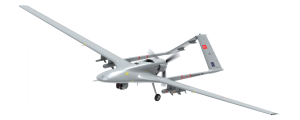
The TB2 comes out of Istanbul. Turkish press reporting places its manufacture at Baykar’s Özdemir Bayraktar National Technology Center, and gives the aircraft a local-content share of about 93 percent. Treat that percentage as a reported figure rather than an audited one. Baykar’s own site does not publish a facility-by-facility breakdown.
What can be said with confidence is the scale. Baykar’s chief executive Haluk Bayraktar has said that TB2 output was running at about 230 aircraft a year, and that Akıncı production stood at 36 units in 2023 with plans to double. These are company statements reported in the press, not independently verified delivery counts. For the aircraft itself, see our Bayraktar TB2 programme overview.
What happens at Çorlu?
Çorlu, in Tekirdağ province west of Istanbul, is where Baykar flies its larger aircraft. The Akıncı Flight Training and Test Center there opened around the August 2021 delivery ceremony that put the Bayraktar Akıncı into Turkish Armed Forces service. It handles maintenance, repair, testing and flight operations for the type.
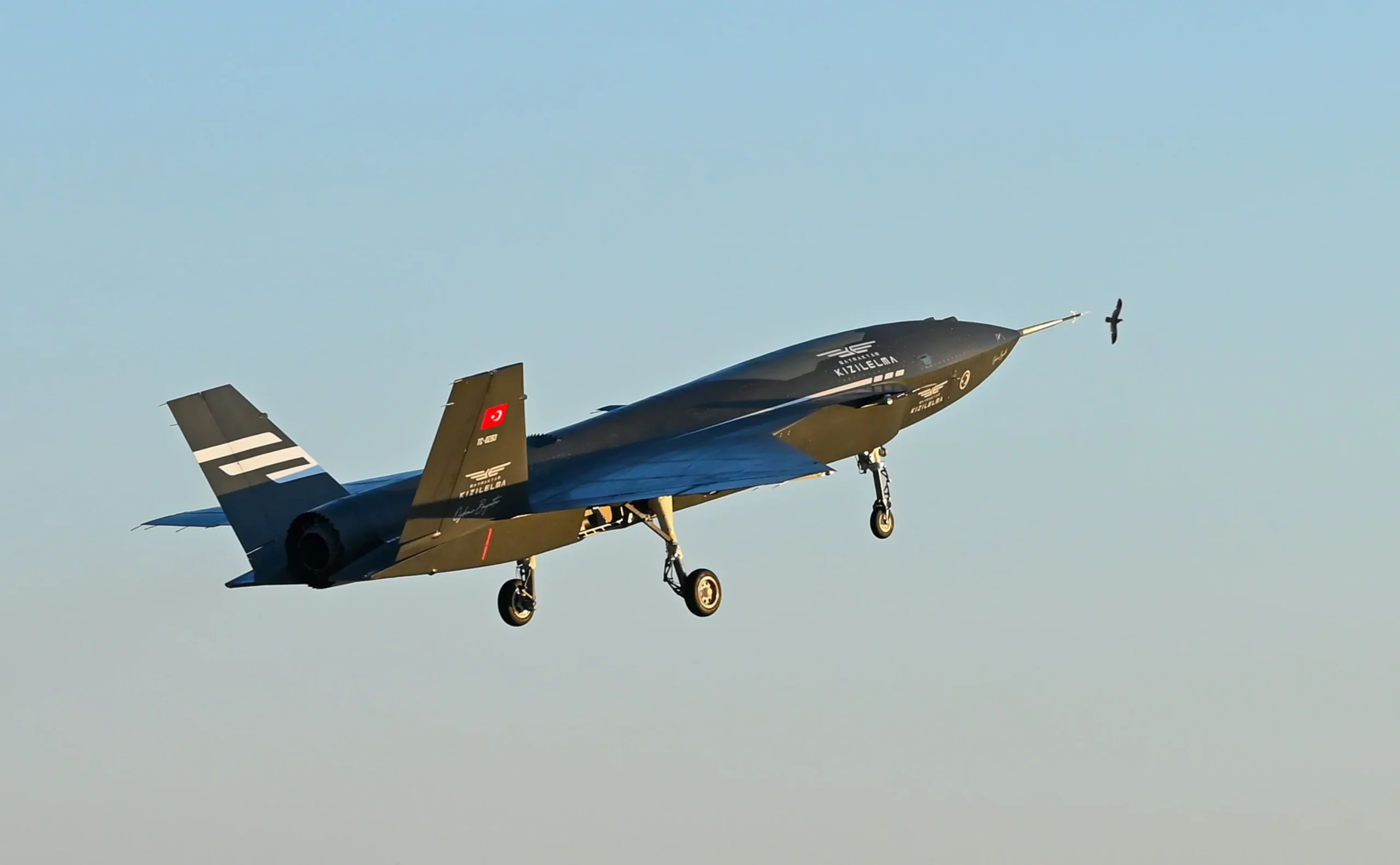
The same site matters for the jet-powered Kızılelma. Baykar’s press office says the third production prototype, tail number TC-ÖZB3, was moved to the Çorlu centre in July 2024 and made its maiden flight there on 25 September 2024. The first Kızılelma prototype had rolled off the line in November 2022 and flown in December of that year. Baykar later described serial production as starting, with service entry targeted for 2026. More detail is in our guide to the Bayraktar Kızılelma unmanned combat aircraft.
So Çorlu is best described as the test and operations hub, not a place where every Bayraktar is born. The line between “built” and “tested” is blurry in company communications, and it is worth keeping.
Does Baykar make its own components?
Largely, but not entirely. Baykar built its reputation on integrating avionics, flight control software and airframes in-house, which is why it likes to describe its drones as indigenous. Engines are the exception worth watching. Akıncı and Kızılelma have flown with Ukrainian powerplants from Ivchenko-Progress and Motor Sich, according to reporting on the company’s supply chain. Baykar has said it plans to develop a turboprop engine for the Akıncı and has agreed with Ivchenko-Progress on a jointly developed turbofan.
That dependence explains why Ukraine sits in Baykar’s story twice, as a customer and as a supplier. Our piece on Turkish defence cooperation with Ukraine covers the wider relationship.
Is Baykar building a factory in Ukraine?
It started to. Construction began outside Kyiv in 2023 after Baykar obtained a licence from the Turkish government to produce drones in Ukraine. Early statements spoke of roughly 500 employees and about 120 drones a year, with the plant to build the TB2 and the larger TB3. In late 2024 the chief executive said the building was around 80 percent complete, with a target of August 2025.
The war has complicated everything. Ukraine’s ambassador to Türkiye said the plant would be fully operational only after the fighting ends. We could not confirm the current state of the site from primary sources, so assume the plant is not producing aircraft. Check Baykar announcements before citing a production start.
What about Italy?
This is the clearest case of Bayraktar manufacturing moving outside Türkiye. Baykar bought Piaggio Aerospace, and the acquisition closed on 30 June 2025, as reported by Defense News. The Italian sites at Villanova d’Albenga and Genoa are slated to build Akıncı and TB2 aircraft. Baykar pledged to keep current employment there and to add staff as production grows. It also plans to revive the P.180 Avanti EVO business aircraft.
A separate arrangement with Leonardo, a joint venture called LBA Systems announced in March 2025 and based in Italy, is intended to design, produce and support unmanned systems. How output will be divided between Piaggio’s sites and the joint venture has not been spelled out publicly.
Where else might production move?
Baykar has talked about local production in other markets, including Saudi Arabia, and its investment plans in Africa have drawn coverage. Our tracker of Turkish defence factories abroad follows these projects as they firm up. Announcement and assembly line are different things, and many of these projects are early stage.
| Site | Role | Status |
|---|---|---|
| Istanbul, Özdemir Bayraktar National Technology Center | TB2 manufacture (reported) | Operating |
| Çorlu, Tekirdağ | Akıncı and Kızılelma test and flight operations | Operating |
| Villanova d’Albenga and Genoa, Italy | Planned Akıncı and TB2 production | Piaggio deal closed June 2025 |
| Near Kyiv, Ukraine | Planned TB2 and TB3 plant | Delayed, reported damaged |
For readers tracking a specific aircraft, the practical rule is simple. If a TB2 or Akıncı is delivered to a Turkish or export customer today, it almost certainly came from Baykar’s Turkish facilities. Italian and Ukrainian output remains prospective, and any claim of foreign-built Bayraktars in service should be checked against a company or government statement.
Who owns the company behind the factories?
Baykar is privately held and family run, a point that shapes how it invests abroad. Details are in our explainer on who owns Baykar, and the wider company story is in the Baykar company profile.