Turkish Aerospace Opens Second ANKA-3 Line as Turkish Order Hits 80 Aircraft

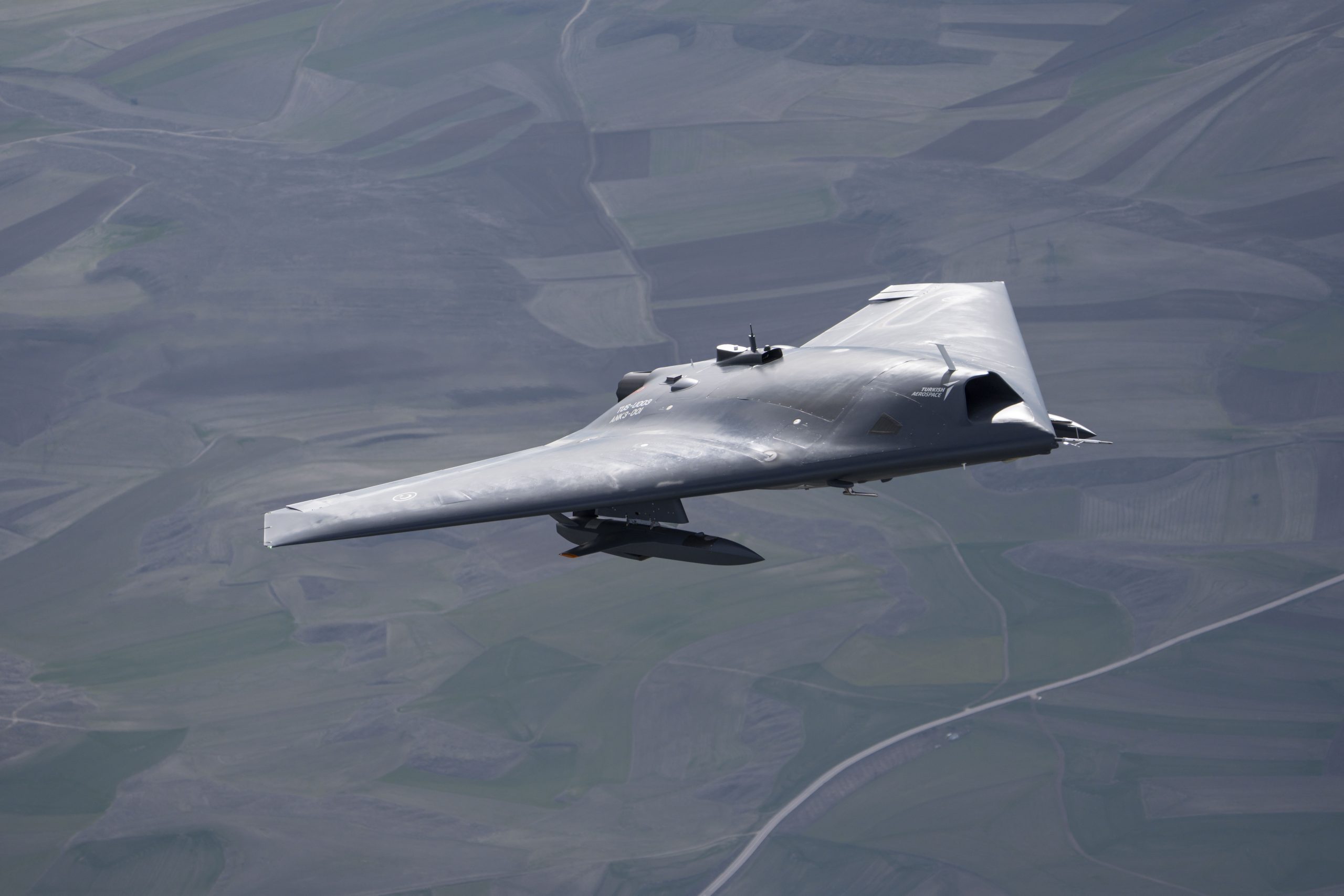
Turkish Aerospace has finished building a second production line for its ANKA-3 flying-wing combat drone, with the facility scheduled to open in November and begin turning out an enlarged version of the aircraft carrying nearly a third more payload than the original design.
The disclosure came from a company official during a media tour of Turkish Aerospace’s Ankara facility, reported by Breaking Defense on October 16. Turkey’s Ministry of National Defence organised the visit and covered travel and accommodation for the outlet, timed around the Atış Serbest-2026 live-fire exercise where several Turkish manufacturers showed off hardware to foreign press.
A Bigger Airframe for a Bigger Payload
The new line will build an upgraded ANKA-3 variant with a larger airframe. Turkish Aerospace expects the aircraft to carry up to 1.75 tonnes of payload, compared with roughly 1.3 tonnes on the baseline design that first flew as a prototype. The company official said the added capacity is meant to let the drone carry more munitions to meet requirements the Turkish military has set since the programme began.
No dimensions, designation, or production rate for the new variant were disclosed. The first aircraft off the new line is expected to roll out “soon,” according to the official, before moving into flight testing alongside the original prototype, which remains in its own test programme.
ANKA-3 is Turkish Aerospace’s answer to the stealth unmanned combat aerial vehicle category that the United States, China and several European programmes are also pursuing. The tailless, flying-wing design is built for strike missions and, per the manufacturer, reaches high-subsonic speeds at altitudes up to 40,000 feet — figures aimed at distinguishing it from the turboprop-driven Bayraktar AKINCI and TAI’s own ANKA and AKSUNGUR, which are built for persistence rather than survivability against modern air defences.
80 Aircraft on Order, Delivery From 2027
The Turkish Armed Forces have ordered 80 ANKA-3 aircraft, with first deliveries expected in 2027, Breaking Defense reported, citing the same facility visit. Neither the order’s value nor a split between the original and upgraded variants has been made public, and no document has been published confirming the figure independently of the company’s own account — a routine gap in Turkish defence disclosures, where contract values and specifics are often withheld even after a deal is announced.
The 80-unit figure sits inside a far larger target Turkish Aerospace General Manager Mehmet Demiroğlu laid out days earlier at a subcontractor workshop: more than 250 ANKA-3s by 2035, as part of a wider goal of over 1,500 aircraft, helicopters and drones delivered by the same date. Demiroğlu was explicit that the 2035 number is a company production objective rather than a confirmed order book, a distinction worth keeping in mind given how early the programme still is — the original ANKA-3 prototype remains in flight testing and has not yet entered operational service.
Other Hardware on Display
The same facility tour gave a wider look at where several Turkish Aerospace programmes stand. Eight ANKA MALE drones were in various stages of final assembly in the hangar alongside AKSUNGUR airframes, and officials showed off the turbojet-powered Ayaz one-way attack drone and the Super Şimşek loitering munition, both of which a company official said carried out their first dive attacks with live warheads during Atış Serbest. Turkish Aerospace’s KAAN fighter was not on the floor; officials said the P1 prototype is being prepared for flight testing, with the programme’s 2028 delivery target to the Turkish Air Force unchanged.
Hürjet, the jet trainer Spain selected earlier this year, also stayed off display, but Turkish Aerospace CEO Demiroğlu said this week that Madrid is considering 15 additional aircraft on top of the 30 already agreed — a reminder that the company’s trainer exports are, for now, running well ahead of its combat aircraft programmes in actually reaching a customer.
Why It Matters Beyond Türkiye
A second production line and a confirmed service order mark a concrete step in moving ANKA-3 from prototype to series production, the harder half of any combat drone programme. Turkish Aerospace is betting the aircraft can compete in the same bracket as MQ-9-class platforms and the strike-UCAV designs China and several Western manufacturers are fielding or developing, at a moment when militaries beyond Türkiye are weighing loyal-wingman and stealth-strike drones as cheaper alternatives to crewed combat aircraft.
For now, ANKA-3 remains a domestic programme: Turkish Aerospace has not announced an export customer for the type, and the 80-unit order covers only the Turkish Armed Forces. Whether the upgraded, higher-payload variant becomes the export configuration once flight testing is complete is not yet established. Given Türkiye’s mixed record on hitting its own publicly stated defence-programme timelines, the November line opening and 2027 first delivery are numbers worth tracking rather than assuming will land exactly as described.
Source: Breaking Defense, reporting from a Turkish Aerospace facility visit in Ankara, October 16, 2026.