Four Countries Fly the T129 ATAK and a Fifth Is Lining Up

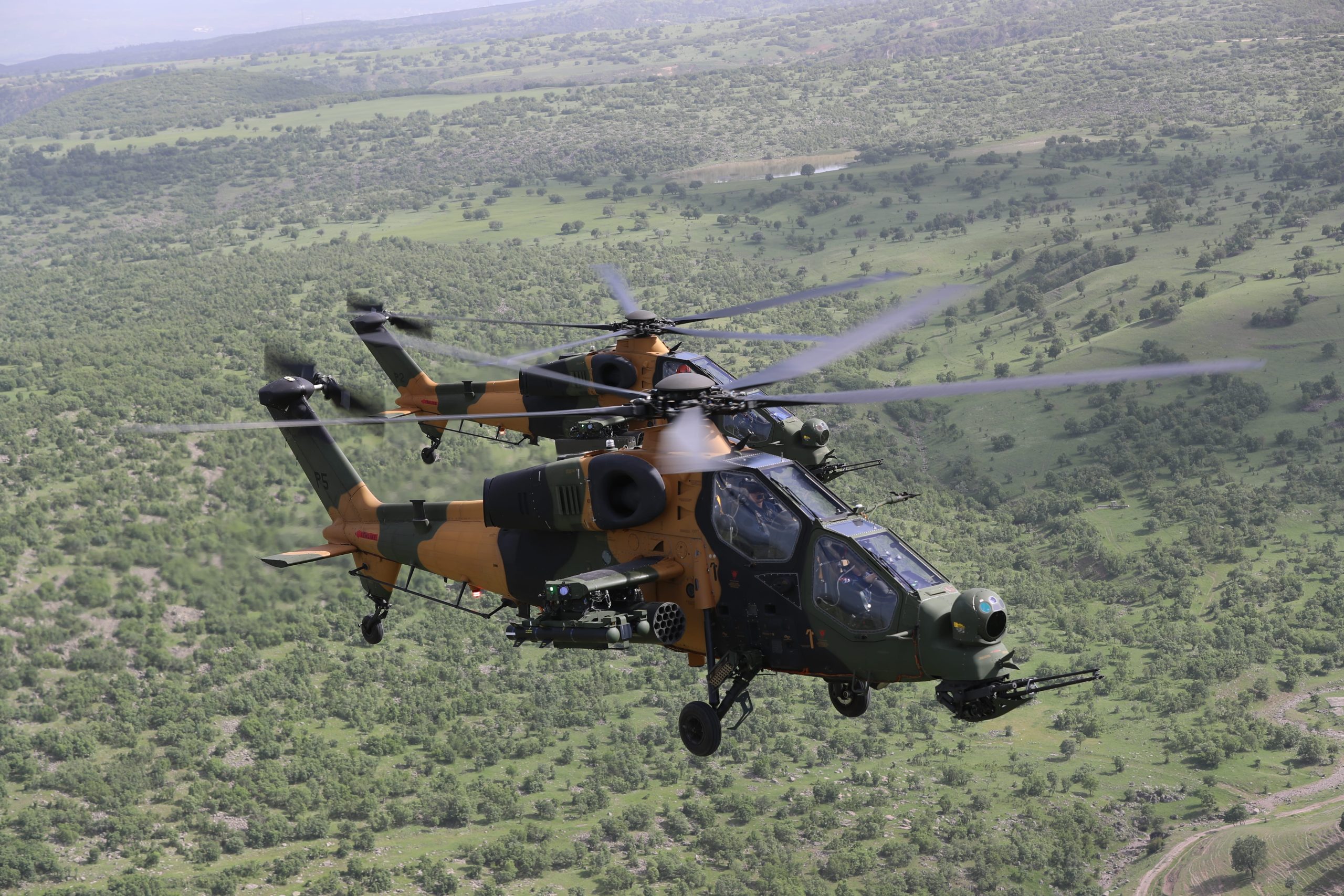
Four countries have taken delivery of the T129 ATAK, and a fifth is reported to be next. Türkiye uses it across three separate services. Abroad, the helicopter flies for the Philippines, Nigeria and Somalia, with Bangladesh reported to be next.
That is a short list for a helicopter that first flew in 2009. It is also a list shaped as much by Washington’s export licences as by price or performance, which is the thread running through every entry below.
Who Operates the T129 ATAK Today?
| Operator | Service | Status |
|---|---|---|
| Türkiye | Land Forces Command | In service, the largest fleet |
| Türkiye | Gendarmerie General Command | In service, deliveries ongoing |
| Türkiye | General Directorate of Security (police) | In service |
| Philippines | Philippine Air Force | Six delivered |
| Nigeria | Nigerian Air Force | Six ordered, at least four reported delivered |
| Somalia | Somali Air Force | Three reported delivered in 2025 |
| Bangladesh | Bangladesh Air Force | Six reported on order, deliveries expected by 2027 |
How Big Is the Turkish Fleet?
Türkiye is the launch customer and still the biggest by far. The Land Forces Command took the first aircraft, starting with an early batch of T129A standard and moving to the T129B variant with improved sensors and weapons integration. Figures published by Defence Turkey put Land Forces deliveries in the high fifties by early 2021. The Gendarmerie General Command receives its own aircraft in parallel, with a plan for 24 in total.
The police aviation department also operates a small number. Those figures are several years old, so treat them as a floor rather than a current count. Turkish Aerospace (TUSAŞ), the manufacturer, does not publish a running tally of its own fleet.
The domestic customer matters for exports too. A helicopter that Türkiye keeps buying for its own army and gendarmerie is easier to sell abroad than one that exists only on a brochure. For the company behind it, see the Turkish Aerospace profile, and for the aircraft itself, our T129 ATAK overview.
What Did the Philippines Buy?
Manila was the first export customer. The government signed for six T129B helicopters in July 2020, with the contract reported at about 269 million US dollars. It was a government-to-government deal, part of the second phase of the Armed Forces of the Philippines modernisation programme.
The first two aircraft landed at Clark Air Base on 9 March 2022. A second pair followed in November 2022, and the last two arrived in November 2023, according to The Defense Post and other trade reporting. A formal handover of the final pair at Danilo Atienza Air Base on Luzon, home of the 15th Strike Wing, was reported in May 2024.
The role is close air support for ground troops, armed reconnaissance and counter-insurgency work, which suits an air force that went years with few dedicated gunships. TUSAŞ’s general manager said in late 2024 that talks with Manila on additional helicopters were under way. No signed second contract has been confirmed.
Why Is Nigeria Flying the ATAK?
Nigeria’s order for six aircraft was announced by Turkish Aerospace in July 2022. Satellite imagery showed the first two at Makurdi in Benue State in November 2023, and the Nigerian Air Force formally inducted them there on 6 February 2024. Janes noted that the displayed aircraft carried a 12-round 70 mm rocket pod and a four-round pod of the type used for ROKETSAN’s laser-guided CİRİT.
A second pair arrived in September 2024, bringing the delivered total to four. The last two were reported to be still in production at that point, and this article could not confirm their handover. Nigeria’s purchase is part of a wider shift, described in our piece on Nigeria and Türkiye moving from arms sales to joint manufacturing. Abuja is fighting insurgents in the north-east and banditry in the north-west, and a gunship built for hot weather and heavy loads fits that work.
Where Does Somalia Fit?
Somalia is the quiet addition. In mid-2025, Turkish transport aircraft carried three T129 helicopters to Mogadishu, alongside two utility helicopters for the Somali Navy, as The Defense Post reported. The transfer followed the 10-year defence agreement the two governments signed in February 2024, and Turkish instructors had reportedly trained Somali pilots for about a year beforehand.
The aircraft were reportedly used against al-Shabaab targets soon after arrival. Official figures on the delivery terms are scarce, so the commercial details remain unclear. The deal fits a broader pattern of Turkish arms sales in Africa that start with training and credit.
Is Bangladesh Next?
Reports from late 2025 and early 2026 say the Bangladesh Air Force plans to acquire six T129 helicopters, with deliveries expected by 2027. They are described as one element of a larger package under negotiation that also reportedly includes air defence systems. A visit to Dhaka by a TUSAŞ flight test director in January 2026 was cited as a sign of progress. Contract value and signing status come from secondary reporting, not from a published agreement, so Bangladesh should be considered a reported customer rather than a confirmed operator.
Which Sales Fell Through?
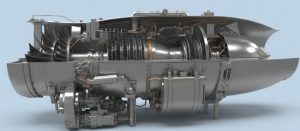
Pakistan is the biggest miss. Islamabad was widely reported to want around 30 T129s in a deal valued at roughly 1.5 billion dollars. The obstacle was the engine. The T129 uses the LHTEC CTS800-4A turboshaft, built by a joint venture of two American companies, and Washington reportedly declined to issue the export licence. Pakistan then turned to the Chinese Z-10ME.
Morocco was reportedly negotiating for 22 aircraft before talks stalled in 2018, and South Korea picked the AH-64E Apache over the T129 in 2013.
The engine problem is why Türkiye is building its own powerplant. The domestic TS1400 is intended for the heavier ATAK-2 attack helicopter, a larger machine with no American engine inside. If it works as planned, the next generation will not need a licence from Washington. Until then, every new T129 export still depends on one. For the wider picture of Turkish platforms abroad, see which NATO members operate Turkish defence systems.
What Do the Customers Have in Common?
Most are mid-sized air forces with active counter-insurgency or internal-security needs and little appetite for the cost and conditions of a Western gunship. The T129 gives them a twin-engine, tandem-seat helicopter with a cannon, rockets and guided missiles from ROKETSAN, supplied with training and, in the African cases, close political backing from Ankara.