ASELSAN Signs €488.5 Million Air Defense Export Deal

ASELSAN has signed a contract worth €488.5 million to export a package of layered air defense systems to an undisclosed foreign customer, the Turkish electronics maker told the Public Disclosure Platform (KAP) on October 2. The company gave no details on the buyer’s identity, the exact systems involved beyond a general description, or the delivery schedule, citing confidentiality obligations in the contract itself.
What ASELSAN did confirm is the scope: the agreement covers the direct export of integrated air defense systems, radar architecture and fire-control nodes, and it expects the deal to have a positive effect on this year’s revenue. At roughly $535 million at current exchange rates, it ranks among the largest single export orders the company has disclosed to date.
What’s likely in the package
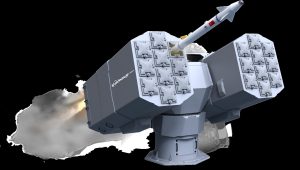
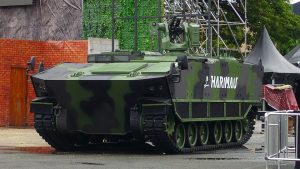
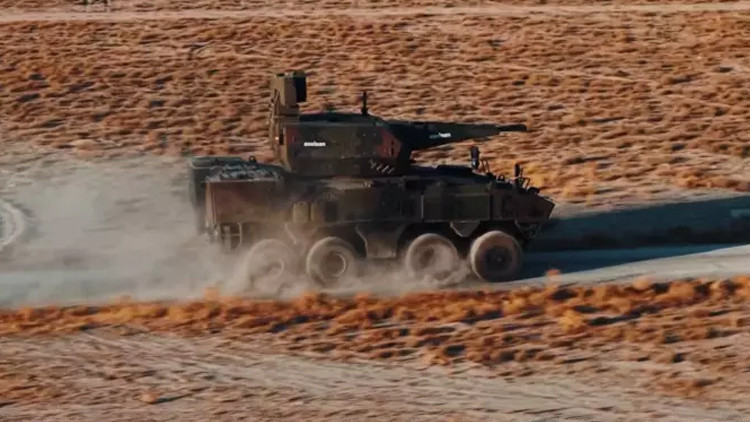
ASELSAN does not build a single air defense product; it builds a layered family that Turkish officials have taken to calling the Çelik Kubbe, or “Steel Dome,” architecture. At the bottom sits KORKUT, a twin-barrel 35mm self-propelled gun built specifically for the cheap-drone threat that Ukraine’s war has put at the center of every air force’s planning. SUNGUR and the HİSAR family — HİSAR-A+ at short range, HİSAR-O+ at medium range — fill the middle bands, backed by a domestically built AESA radar such as KALKAN-3D/MAR-D and the HERİKKS command-and-control node that ties the layers together.
ASELSAN’s own past disclosures describe this €488.5 million contract in almost identical terms to the Steel Dome bundle, which is why Turkish defense-finance outlets reporting on the KAP filing, including RayHaber and Times of Defence, have treated it as a full-architecture sale rather than a single-item order. ASELSAN has not confirmed that reading, and until it does, the honest description is “layered air defense systems” as stated in the filing — not a confirmed KORKUT-SUNGUR-HİSAR bundle.
A two-week stretch of big numbers
The filing did not arrive in isolation. Turkish financial media tracking ASELSAN’s KAP disclosures put the company’s new order intake between September 23 and October 2 at more than €2.7 billion, spanning this air defense package alongside other contracts signed in the same window. ASELSAN closed 2025 with roughly $2 billion in new export contracts for the year and has been adding to that pace through 2026, including an earlier $410 million electronic warfare and radar deal with Poland’s AMZ Kutno announced in December 2025 and expanded at MSPO 2026 in September.
None of that confirms who is buying this particular package. ASELSAN’s customer list already runs past 90 countries, and the company routinely withholds buyer identity when a contract’s terms require it — standard practice across the industry for sensitive air defense sales, and one Western manufacturers follow just as often.
Why a confidential buyer still matters
The reason this disclosure is worth attention despite the missing name is what it signals about demand. Layered, counter-drone-capable air defense has become the defense-export category every state wants to buy into since 2022, as cruise missiles, loitering munitions and massed small drones have outpaced what legacy point-defense systems were built to handle. NASAMS, IRIS-T and a handful of Chinese systems compete in the same band ASELSAN is selling into, and Turkish officials have leaned on combat use in Libya, Nagorno-Karabakh, Ukraine and against cross-border drone incursions at home as the sales pitch for systems like KORKUT and the HİSAR family.
A €488.5 million order, even unnamed, adds to a trend line Ankara has been citing all year: Turkey’s defense and aerospace exports passed $6.3 billion in the first eight months of 2026, up more than 16 percent year on year, with ASELSAN consistently among the two or three largest contributors alongside Baykar and TUSAŞ. It also follows the same export logic behind ASELSAN’s KORAL jamming sale to a NATO army earlier this year — foreign militaries buying combat-referenced Turkish systems off the same production lines the Turkish Armed Forces use. Whether this specific contract is a repeat NATO customer, a Gulf state expanding its own layered defenses, or a first-time buyer will only become clear if ASELSAN, the SSB or the customer government chooses to disclose it — something worth watching for in the weeks ahead rather than assuming now.
Sources: ASELSAN disclosure to Turkey’s Public Disclosure Platform (KAP), October 2, 2026; reporting by Times of Defence.