
ASELSAN Opens $56M Guided-Weapons Production Plant

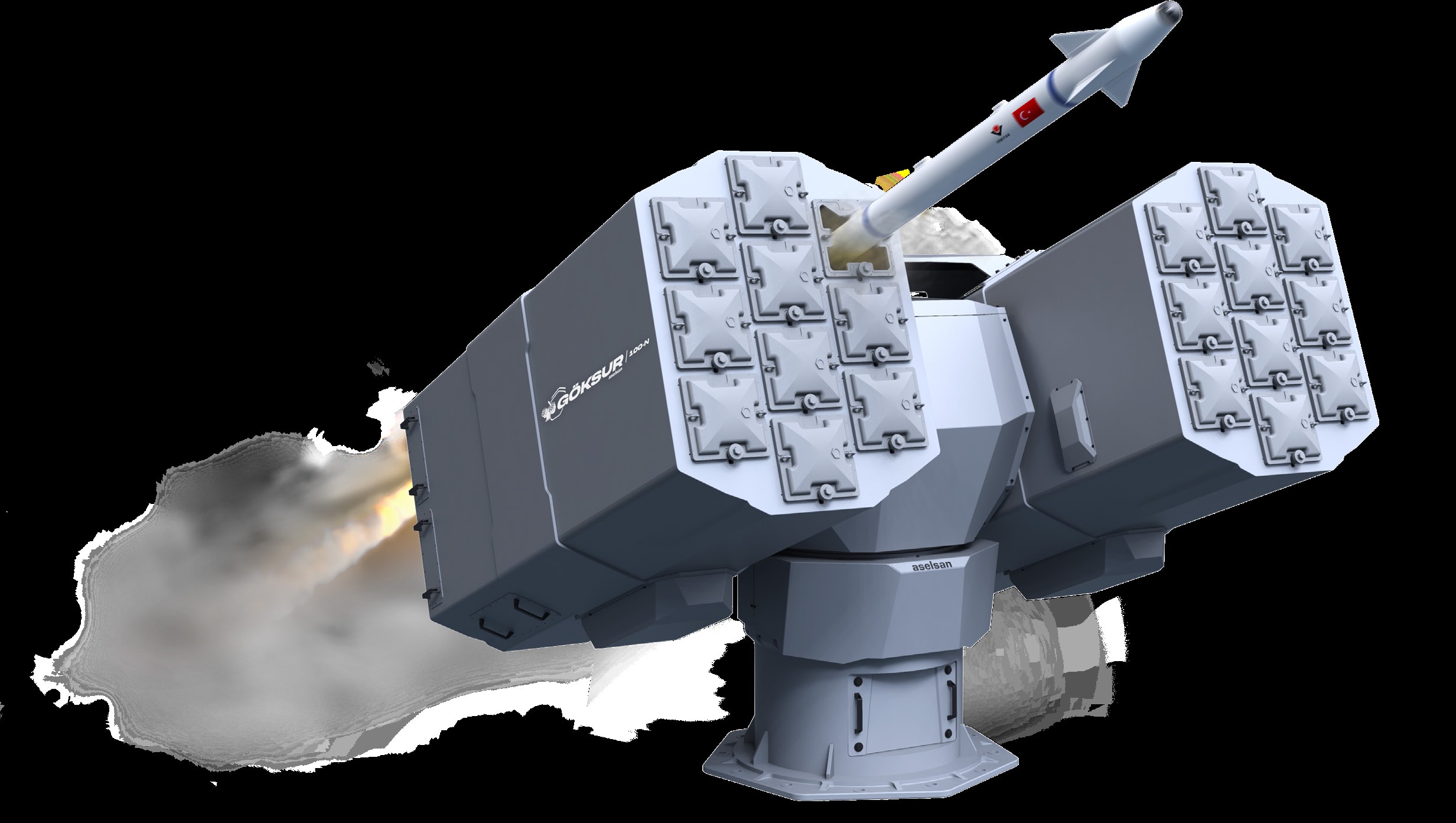
ASELSAN has brought a new $56 million guided-weapons production facility online in Türkiye, the company said in a disclosure to the Public Disclosure Platform (KAP) on September 18, as it works through a backlog of orders for the precision munitions and missile seekers that make up a growing share of its export book.
The Güdüm Sistemleri Üretim Merkezi — Guidance Systems Production Centre — adds 17,865 square metres of manufacturing floor dedicated to the electronics that let a missile, bomb or rocket find its target: seekers, inertial navigation packages, control electronics and the associated test equipment. ASELSAN said the facility’s robotics and automation infrastructure is intended to raise delivery capacity, throughput speed and quality control specifically for guidance-system production, and framed the investment as a direct response to rising order volume rather than a speculative capacity build.
Why Guidance Capacity Is the Bottleneck
Guidance systems are the part of a precision-guided munition that is hardest to scale quickly. Airframes, warheads and rocket motors are comparatively straightforward to mass-produce; the seeker and navigation electronics that turn a rocket into a precision weapon require clean-room assembly, calibration and extensive testing, and Turkish industry has cited guidance-electronics throughput as a constraint on delivery schedules before. A dedicated, automated facility for that single bottleneck is a direct way to shorten the queue between a signed contract and a delivered round.
ASELSAN has not linked the new centre to a specific programme, but the company’s guided-munitions portfolio has been expanding on both the domestic and export side. Its precision-guidance product lines include the TOLUN family of glide munitions, the LGK series of laser-guidance kits that convert unguided bombs into precision weapons, and the SADAK-4T smart launch rack used to carry and release guided rockets from aircraft and helicopters. Export contracts for TOLUN and SADAK-4T have gone to customers across the Middle East, Africa and Asia, most of them undisclosed at the buyer’s request, and ASELSAN has separately delivered LGK-82 guidance kits integrated onto air-to-ground bombs for an African customer.
Part of a Wider Investment Push
The guidance-systems centre is the latest in a run of capacity investments ASELSAN has disclosed this year as it works to keep pace with both Turkish Armed Forces procurement and export demand. The company activated its Air Defence Test and Integration Centre in Ankara in 2022, and has continued adding dedicated production lines as individual product families — air-defence systems, radars, electronic warfare pods — move from qualification into serial output. ASELSAN’s KAP disclosures this year have repeatedly cited the same rationale: order books built up faster than production infrastructure could keep up with, particularly as export contracts stack on top of domestic Turkish Armed Forces deliveries.
That pattern is consistent with what ASELSAN’s own guided-munitions customers have been describing. Buyers for TOLUN and SADAK-4T systems have been asking for expanded delivery volumes rather than one-off batches, and Roketsan, ASELSAN’s neighbour in the Turkish precision-strike sector, has flagged similar production-capacity pressure around its own missile lines this year as export orders have grown.
Why It Matters
None of this amounts to a new weapon or a new customer — it is a factory investment, not a contract announcement, and ASELSAN has been careful to frame it as internal infrastructure rather than a response to any single deal. But guidance-electronics capacity is one of the less visible constraints on how fast a country’s defence industry can actually deliver against the export contracts it signs, as distinct from how many it signs. For an industry that has spent the past two years accumulating precision-munitions orders faster than headlines usually track, a dedicated seeker-and-navigation production line is the kind of investment that determines whether those orders arrive on schedule.


