
Who Else Builds Türkiye’s Drones Besides Baykar?

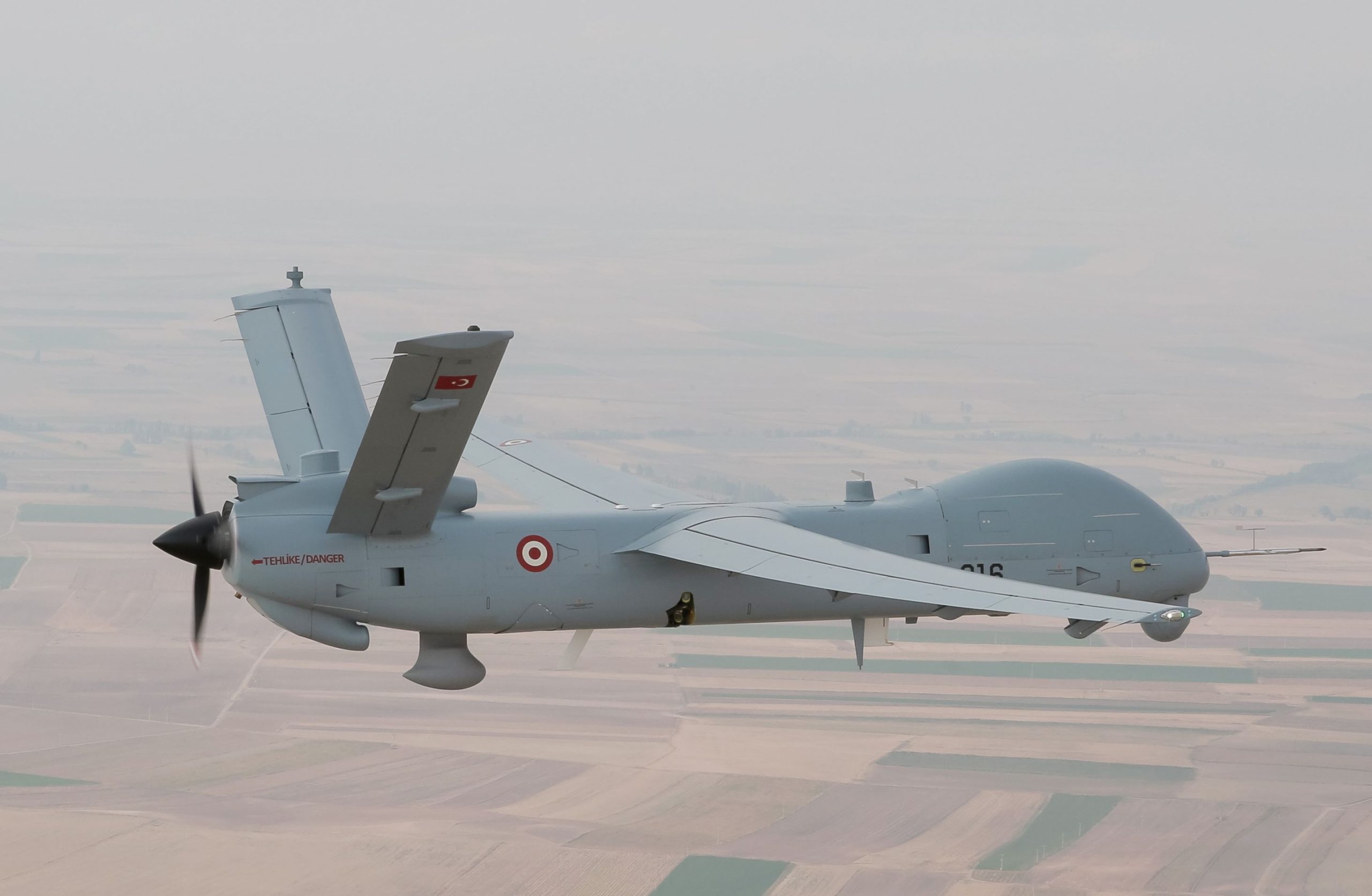
Say “Turkish drone” to most people and the next word is Bayraktar. That reflex is earned. Baykar’s TB2 became the most recognisable armed drone of the past decade, and the company is private, family-run and very good at telling its own story. But a list of Turkish drone manufacturers that stops at Baykar misses a good part of the industry.
Turkish Aerospace, STM, Vestel’s defence arm, HAVELSAN and a newer generation of loitering-munition start-ups all sell unmanned aircraft, often to different buyers and for different jobs. Below is a plain look at who they are, what they fly, and where the evidence is thin.
Why Does Baykar Dominate the Conversation?
Baykar began in 1984 as a machining subcontractor and moved into unmanned aircraft in the 2000s. Its TB2 is widely described as the most exported armed drone in the world; by December 2024 the type had passed one million flight hours, and reporting puts its export customers at more than thirty countries. Our own Baykar company profile covers that story in detail, and why countries buy Turkish drones explains the pricing and political logic behind it.
That success has a side effect. It makes the rest of the sector look smaller than it is. The other firms rarely compete head-on with the TB2 on volume. They occupy other slots: heavier aircraft, hand-launched loitering munitions, vertical-takeoff surveillance drones and cheap FPV strike aircraft.
Who Are the Main Turkish Drone Manufacturers Besides Baykar?
| Company | Main unmanned products | Niche |
|---|---|---|
| Turkish Aerospace (TUSAŞ) | ANKA, AKSUNGUR, ANKA-3 | Medium-altitude long-endurance and stealth combat drones |
| STM | KARGU, ALPAGU, TOGAN, BOYGA, TUNGA | Rotary-wing loitering munitions and tactical strike drones |
| Vestel Savunma | Karayel, Karayel-SU | Tactical MALE drone built to a NATO airworthiness standard |
| HAVELSAN | BOZBEY (sold in Egypt as Hamza-1) | Small VTOL surveillance drone |
| Skydagger | FPV strike drones, TOYCA-05, TOYCA-10E | Low-cost kamikaze drones in large numbers |
The list is not exhaustive. Smaller firms make target drones, naval unmanned vessels and quadcopters that never reach the headlines. These five are the ones with enough public record to write about responsibly.
How Does Turkish Aerospace Compete With Its Own Drone Family?
TUSAŞ is a state-owned company best known for the KAAN fighter and its Airbus work. Its drone business runs on a separate track, and it is the nearest thing Türkiye has to a second flagship. The ANKA was born out of a development contract that took effect on 24 December 2004. It first flew in December 2010, and the ANKA-S variant entered Turkish Air Force service in 2017.
Exports are where the ANKA gets interesting. Tunisia, Chad, Kazakhstan, Indonesia and Malaysia are documented customers, and Indonesia’s 12-aircraft order, reported at roughly 300 million dollars, is the largest. We track each one in our guide to ANKA operators. The pattern differs from Baykar’s. TUSAŞ tends to sell a package of aircraft, ground stations, training and local assembly promises, which makes deals slower but deeper. The Kazakhstan assembly memorandum of 2022, for example, only became a joint-venture agreement in May 2026, according to Kazakh state media.
Above the ANKA sits the AKSUNGUR, a twin-engine aircraft with a published wingspan of about 24 metres and a maximum takeoff weight of roughly 3,300 kilograms. It is powered by TEI-PD170 diesel engines from the TUSAŞ-backed engine company TEI. According to published figures, the AKSUNGUR can carry up to 750 kilograms and stay aloft for up to 50 hours. Chad and Kyrgyzstan are reported as recipients, and Algeria is reported to have ordered six in 2022, though that is a media report, not a government announcement.
Then there is the ANKA-3, a jet-powered flying wing that is very different in concept. It made its first flight on 28 December 2023 and completed a live-fire test in September 2024. A prototype was lost during the Anatolian Eagle exercise in June 2025, a reminder that it is still a development programme. It is usually discussed alongside Baykar’s KIZILELMA as one of Türkiye’s two stealth-oriented uncrewed combat aircraft. For the company background, see the Turkish Aerospace profile.
What Is STM Selling in the Loitering Munition Niche?
STM is an Ankara engineering house founded in 1991, better known for frigate design and submarine upgrades than for drones. Its unmanned line is the surprise in the portfolio. The KARGU is a small rotary-wing loitering munition that one person can carry. Figures published from STM’s own material give a range of about 10 kilometres and endurance near 30 minutes for the original design, so it is a short-reach tactical tool rather than a long-range weapon.
The KARGU became famous for the wrong reasons. A March 2021 report by a UN panel of experts on Libya described a Kargu-2 in a 2020 engagement, and the passage was widely read as the first autonomous drone attack on people. The wording of the report was more cautious than many headlines, and STM’s own demonstration videos show a human operator selecting the target. Treat the autonomy claims with care.
The company has since widened the range with ALPAGU, TOGAN, BOYGA and the TUNGA family, and field tests of the TUNGA-X interceptor and TOGAN were reported this year. Our STM profile explains how a consultancy ended up here. Its drone exports, reportedly including Azerbaijan, are still smaller than Baykar’s, but the platform is cheaper and easier to hide inside a larger naval or land deal.
Where Does Vestel’s Karayel Fit?
The Karayel is the drone many readers have never heard of. Vestel Savunma, the defence arm of the Vestel group, designed it as a tactical surveillance aircraft and later an armed one. Published specifications describe a 10.5-metre wingspan and endurance of about 20 hours, with the larger Karayel-SU carrying up to 120 kilograms under its wings. Vestel stresses that it is built to NATO’s STANAG 4671 airworthiness standard, which is unusual for a drone in this class.
Saudi Arabia is the named export customer. Open sources mention six aircraft in use and plans for about 40 more over several years, figures that have not been confirmed by either government. Houthi forces have also published footage of Karayel wreckage in Yemen on several occasions since late 2019, which gives a rare look at the drone in service. It is a small programme compared with the giants, and whether Vestel expands it is unclear.
Are Smaller Firms Filling the Gaps?
Yes, and quickly. HAVELSAN, which built its name on simulators and command software, signed a sales agreement with Egypt’s Arab Organization for Industrialization in September 2026 for the Hamza-1. Janes reported that the airframe is essentially HAVELSAN’s BOZBEY, a small VTOL drone of about 40 kilograms with roughly six hours of endurance. No price or quantity was published.
The fastest-growing category is cheap strike drones. Skydagger, a reportedly Baykar-backed producer that only started making drones in 2024, says it has shipped FPV aircraft to more than a dozen countries and unveiled the fixed-wing TOYCA-10E on 20 September. Its claimed 250-kilometre range and 10-kilogram warhead are manufacturer figures, with no public test yet. Numbers like these should be read as marketing until a customer or a range trial confirms them.
Who Supplies the Engines, Cameras and Weapons?
The sector is also bound together by suppliers. ASELSAN provides electro-optical cameras and, on the ANKA-3, the MURAD AESA radar. Roketsan supplies munitions such as the MAM family and the TEBER guidance kit. TEI makes the PD170 engine. Drone makers from different companies often draw on the same short list of Turkish suppliers.
That matters because of 2020. After the Nagorno-Karabakh war, Canadian and Austrian-linked suppliers restricted deliveries of engines and sensors used in Turkish drones, according to reporting at the time, and Turkish firms announced domestic replacements. The episode pushed the industry toward local content, and it is the main reason so many firms can now field competitive aircraft.
What Should Buyers and Watchers Track Next?
Four things will show whether the sector is really broadening. The first is ANKA-3 series deliveries, which have been reported for 2028. The second is whether Kazakhstan’s ANKA joint venture produces an aircraft. The third is a public trial of the TOYCA-10E. The fourth is whether Karayel or STM’s newer drones win a second named export customer.
Until then the picture is straightforward. Baykar is the volume leader and TUSAŞ is the heavy-drone specialist, while STM, Vestel, HAVELSAN and Skydagger each hold a narrow slot. The sky is getting crowded, but it is not yet evenly shared.


