
A New Period at the Turkish Space Agency: Roadmap and Team Take Shape

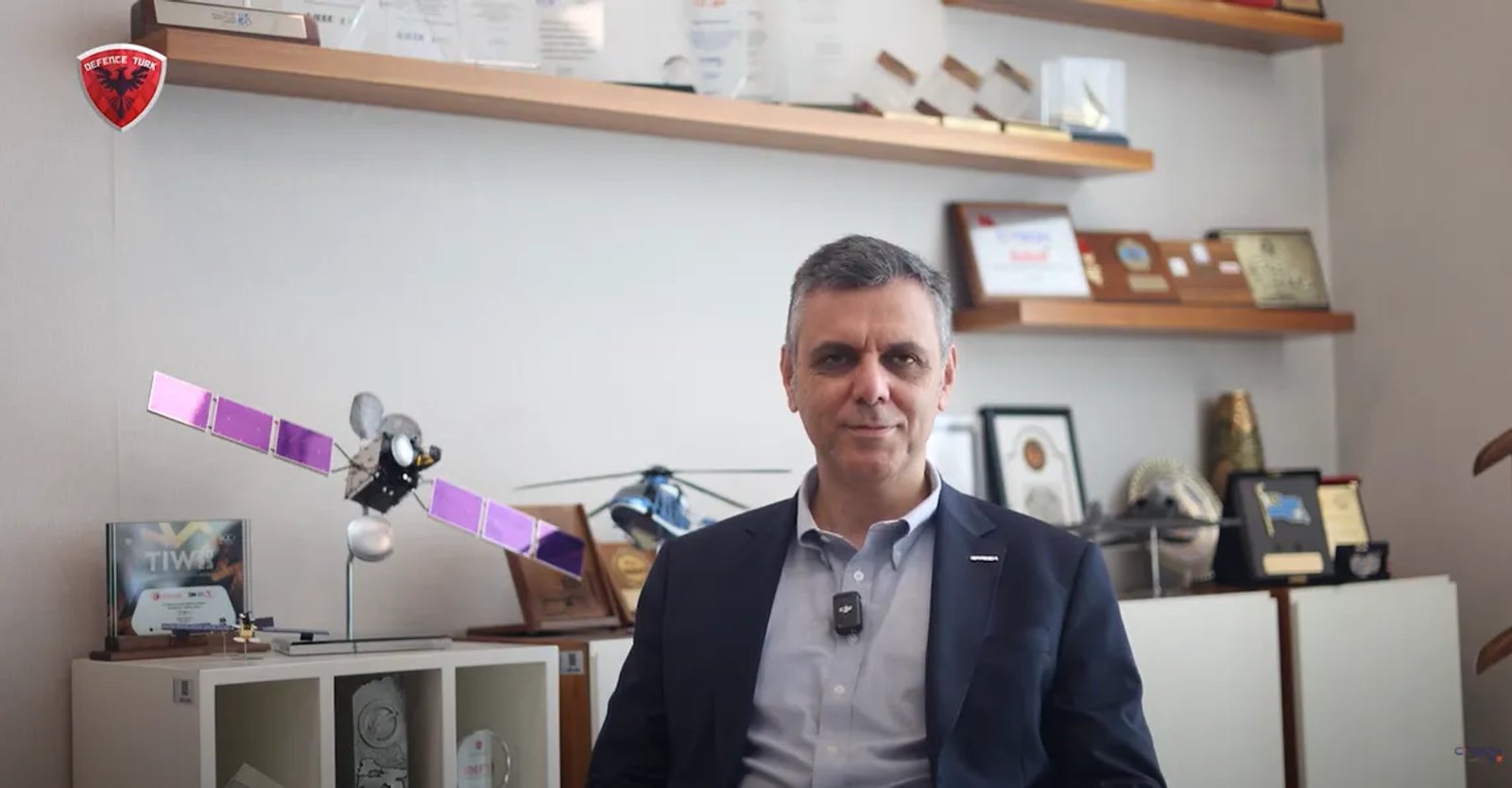
The team and roadmap that will carry the Turkish Space Agency’s strategy through the coming period are reported to have taken shape. Goals relating to launch systems, satellite technologies and the human spaceflight programme stand out in the agency’s work.
Institutional framework
The Turkish Space Agency was established to coordinate the country’s space activities under a single roof. Its function is defined less as direct production than as setting strategy, ensuring inter-institutional coordination and conducting international cooperation. Development of satellites and launch systems is carried out by institutions and companies such as TÜBİTAK UZAY, TUSAŞ, ROKETSAN and DELTA V.
Headings of the roadmap
Goals announced under the National Space Programme include developing domestic hybrid rocket technology, establishing a regional positioning and timing system, spaceport work, increasing satellite production capacity and human spaceflight missions. These headings are not independent of one another: without launch capability, for instance, the strategic significance of satellite production capacity remains limited.
Why launch capability is critical
Most satellite-producing countries buy launch services from a limited number of providers. Delays in launch schedules can postpone a satellite’s arrival in orbit for years, and in periods of political tension the continuity of the service can become uncertain. Having one’s own launch vehicle therefore directly affects schedule security for satellite programmes. Hybrid rocket work and the search for a spaceport are concrete reflections of that need.
Human spaceflight experience
Turkey joined the countries that have sent an astronaut to the International Space Station. During the mission, scientific experiments prepared by Turkish researchers were conducted on the station. While the direct technological output of such missions is limited, their effect in raising academic interest and building human capital in the field is emphasised.
The international cooperation dimension
No country develops every capability in space alone; international sharing applies to many areas, from deep space communication networks to orbital tracking data. The agency’s international cooperation role functions in securing access to those networks and in evaluating joint mission opportunities.
The academia-industry link
Officials state that strengthening Turkey’s institutional capacity in space and deepening academia-industry cooperation are priorities. Because product development in space technologies is long and costly, transferring knowledge produced in university laboratories to industry becomes difficult without a continuous procurement programme.
Assessment
Clarifying the roadmap matters for making long-term space goals trackable. In space programmes, however, what proves decisive is less the list of announced goals than the continuity of the budget allocated to them and the public sharing of intermediate milestones. Regular reporting of short and medium-term concrete targets will allow the programme’s progress to be assessed independently.


