Turkish Navy-ASFAT Delegation Agrees Naval Roadmap With Syria

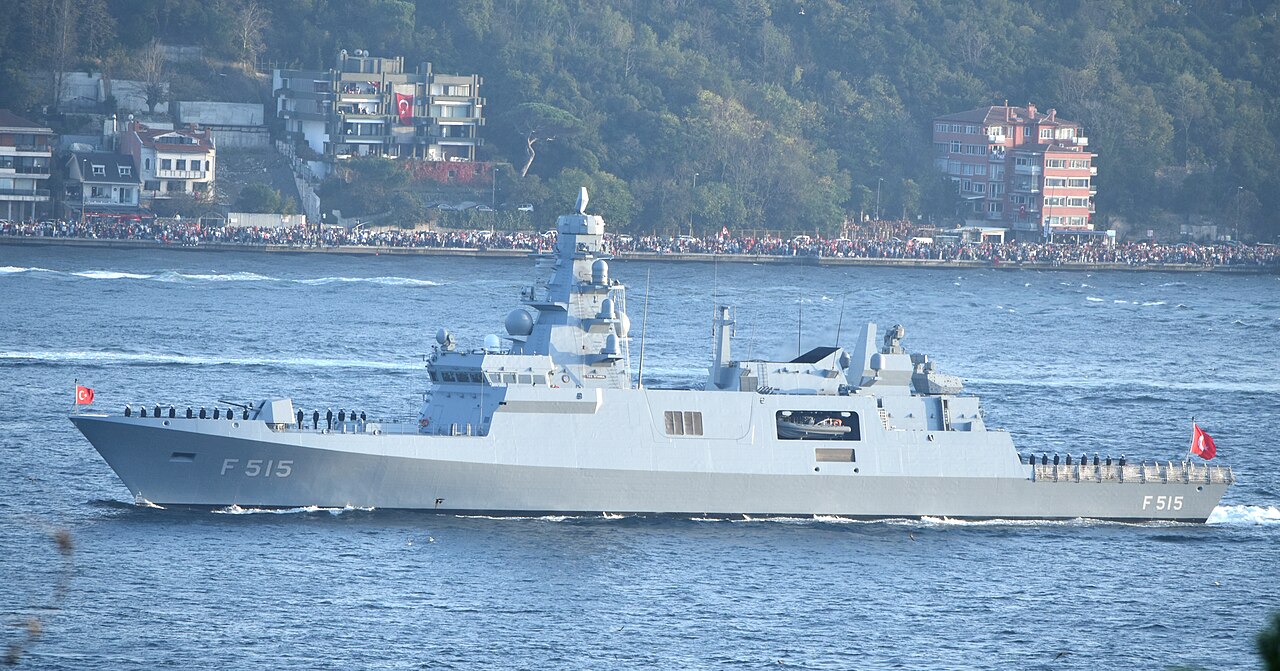
A Turkish Naval Forces and ASFAT delegation sailed into Latakia aboard the fast attack craft TCG Bora on October 23, Türkiye’s Ministry of National Defence said, agreeing with Syrian officials on a cooperation roadmap covering ship maintenance, new construction and port development — the second Turkish naval visit to the Syrian port since warships returned there in July for the first time since the civil war began in 2011.
The visit was reported by the Turkish outlet SavunmaSanayiST and the English-language site Envanter Medya, both citing a Ministry of National Defence (MSB) statement. Neither Ankara nor Damascus has published the text of any agreement, and officials described the outcome as a roadmap for future work rather than a signed contract.
Who went, and what they discussed
Per the ministry’s account, the delegation included Istanbul Shipyard Commander Rear Admiral Erdinç Yetkin, Naval Forces Logistics chief Rear Admiral Timur Yılmaz, Naval Education and Training Commander Rear Admiral Yücel Darcan, and unnamed representatives of ASFAT, the Ministry of National Defence-affiliated shipbuilding and export company. The ministry said the trip was intended to help build up the capabilities of the Syrian Navy.
Discussions in Latakia covered four areas: maintenance, repair and modernisation of existing Syrian naval vessels; construction of new ships; individual and team training for Syrian naval personnel; and development of port infrastructure. Officials also inspected Latakia’s military port facilities. No financing, timeline or specific vessel types were disclosed.
Six years of distance, broken in July
Turkish warships had not called at Latakia since the Syrian civil war erupted in 2011, before a Turkish defence ministry statement confirmed that the frigate TCG İstanbul, escorted by TCG Bora and TCG Tufan, made a port call there on July 13 — Türkiye’s first naval visit to the country following the fall of the Assad government in December 2024. Naval Forces Commander Admiral Ercüment Tatlıoğlu led that visit and met his Syrian counterpart, Brigadier General Mohammed Al-Saud, with talks focused on improving coordination between the two navies.
That visit rested on a military cooperation memorandum Türkiye and Syria’s transitional government signed in Ankara in August 2025. October’s trip, smaller in scale and led by shipbuilding and logistics officers rather than the fleet commander, reads as a follow-up aimed at turning that general framework into specific industrial commitments — exactly the kind of maintenance, training and construction work ASFAT exists to sell. It follows a broader 2026 pattern of Türkiye turning bilateral security ties into standing defence-industrial relationships, visible in October’s own Badr defence cooperation memorandum with Qatar, Pakistan and Indonesia and in the standing Turkish military and industrial presence Ankara has built up in Qatar over the past decade.
Why ASFAT’s presence is the real story
ASFAT’s role elevates this from a routine naval courtesy call to a defence-industrial one. The company, established under the Ministry of National Defence to manage Türkiye’s state shipyards and naval exports, has had an unusually active year: it delivered the Hisar-class corvette Beşiktaş to Romania in December 2025 for roughly €223 million — Türkiye’s first sale of a surface combatant to a NATO and EU member state — and continues building MILGEM-design corvettes for the Pakistan Navy at Istanbul Naval Shipyard and in Karachi. ASFAT board chairman and Deputy Defence Minister Musa Heybet said in 2026 that the company’s exports had already passed $550 million for the year, spread across more than 20 countries.
A Syrian Navy rebuilt with Turkish-supplied maintenance capacity, training and eventually new or refurbished vessels would be a different kind of customer than Romania or Pakistan — poorer, with a fleet reduced by over a decade of war to a handful of patrol boats — but the political value to Ankara is substantial. It would lock in Turkish influence over a neighbouring navy at a moment when Syria’s post-Assad government is still assembling its security institutions from scratch, and it would do so in a stretch of coastline where Russia still operates an airbase at Hmeimim and a naval facility at Tartus, a short distance south of Latakia.
What is not yet confirmed
The reporting available so far rests entirely on the Turkish defence ministry’s own characterisation of the visit, relayed secondhand by Turkish trade outlets; neither the Syrian Ministry of Defence nor independent observers have described the talks publicly, and no contract, cost figure or delivery timeline has been released. Whether the “roadmap” translates into an ASFAT shipbuilding or refit contract — and whether Syria’s transitional authorities have the budget to pay for one — remains open. For now, this is a statement of intent between two militaries still working out what their post-Assad relationship looks like.
Sources: SavunmaSanayiST.com, relaying a Ministry of National Defence statement; Envanter Medya; Daily Sabah, on the July 2026 TCG İstanbul visit; TASS; Turkish Minute; Naval News, on ASFAT’s Hisar-class sale to Romania; Defence Turkey, on ASFAT’s 2026 export total.