HAVELSAN Links a Turkish Sea Drone and a Kamikaze UAV Under One Command System

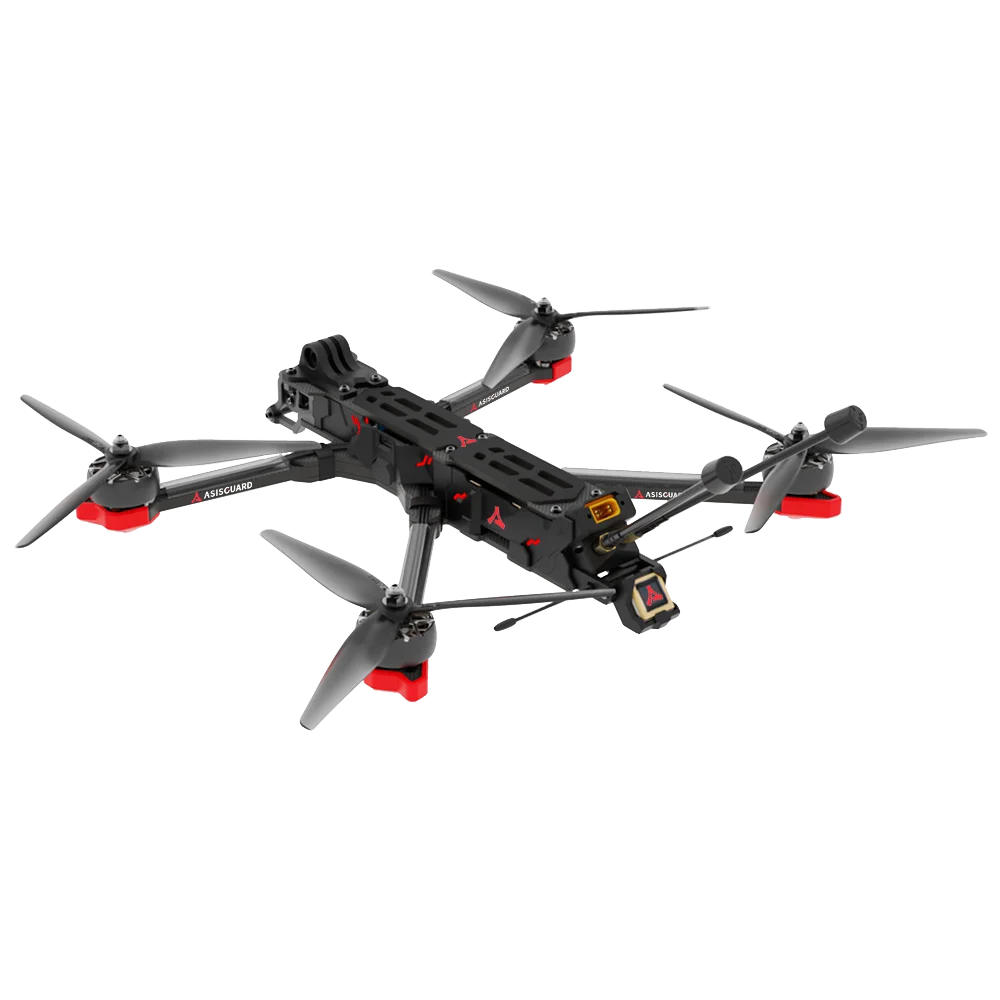
HAVELSAN said on October 20 that it has demonstrated coordinated operation of a Turkish unmanned surface vessel and a kamikaze drone launched from its deck, linking two separately built systems under one command-and-control architecture and having the drone drop a 60mm mortar round on a designated target.
The test paired the USV-12, a 12-metre unmanned boat built by VN Maritime with HAVELSAN, with SAGAN, a first-person-view attack drone made by ASİSGUARD. According to HAVELSAN’s announcement, the USV navigated autonomously to the operating area, then launched the SAGAN drone, which took off, flew to the target and released the mortar round under an operator’s supervision. HAVELSAN said its own contribution was the command-and-control, mission-management and autonomy software tying the two platforms together — not the vessel or the drone themselves, both of which come from other manufacturers.
Why a Software Company Is the One Announcing It
HAVELSAN does not build boats or drones. It builds the combat-management and mission-system software that Turkish and, increasingly, allied navies run on top of hardware from other companies. Its flagship naval product, ADVENT, already serves aboard Turkish warships and picked up its first NATO customer this year when Romania adopted it. ADVENT’s companion mission-management layer, ADVENT ROTA, is pitched specifically at extending that architecture to unmanned surface platforms, and HAVELSAN has previously said it verified two-way data exchange between ADVENT and the Bayraktar TB3 drone operating from the amphibious ship TCG Anadolu. The company has also been a partner behind the drone-swarm work Turkish industry has pushed into live-fire testing over the past year.
The USV-12/SAGAN demonstration is a smaller-scale version of the same idea applied across domains rather than within one platform: an uncrewed boat built by one company launching and guiding a strike drone built by another, both reporting into a mission-management system built by a third. HAVELSAN frames this as following a NATO-standards-aligned interoperability approach, intended to let unmanned systems from different manufacturers operate under common command-and-control rather than each requiring its own dedicated ground station and operator.
Two Products That Rarely Appear Together
USV-12 is a relatively new entrant in a crowded Turkish unmanned-boat field that already includes Ares Shipyard’s ULAQ, Sefine/ASELSAN’s MARLIN and Dearsan’s SALVO — a lineup this site has covered in detail. VN Maritime builds the USV-12 on a Rafnar-derived wave-piercing hull said to exceed 40 knots, with SEA.AI’s optical situational-awareness package integrated for object detection where radar alone struggles in cluttered coastal waters. Public material on the boat does not disclose range, endurance or payload capacity, and HAVELSAN’s announcement gave no figures either.
SAGAN, for its part, is ASİSGUARD’s six-inch FPV kamikaze quadcopter, marketed as a low-cost one-way strike drone capable of disabling air-defence radars, communications nodes and similar point targets. It sits in the same general category as STM’s KARGU and Baykar’s smaller loitering munitions, and its presence in the demo as a vessel-launched, mortar-round-delivering asset is a different employment concept than the anti-radiation role ASİSGUARD typically advertises for it — suggesting the company is testing the airframe against a broader set of payload and mission profiles.
The Bigger Pattern: Türkiye’s Unmanned Ecosystem Learns to Talk to Itself
Türkiye’s defence-industrial strategy over the past decade has produced parallel, competing programmes rather than single winners in almost every unmanned category — several armed USVs, several kamikaze drones, several loitering munitions from different primes. That approach keeps multiple shipyards and manufacturers in business and builds an export catalogue, but it also risks leaving the Turkish armed forces with a fleet of uncrewed systems that cannot be tasked from a common operating picture. The USV-12/SAGAN test is HAVELSAN positioning itself as the integrator that solves that problem — the company that does not compete with Ares, Dearsan, Sefine, ASİSGUARD, STM or Baykar for hull or airframe contracts, but sells the glue that lets a navy or land-forces operator task all of their systems from one console.
That positioning matters for exports as much as for the domestic armed forces. A NATO member shopping for Turkish unmanned systems is increasingly being offered not just a boat or a drone, but an architecture — ADVENT, ADVENT ROTA and now this cross-domain autonomy layer — that claims to make disparate hardware interoperable to NATO standards. Whether that claim survives contact with an actual NATO interoperability certification process, rather than a controlled company demonstration, is the open question. HAVELSAN gave no location, customer or date for further field trials, and the October 20 release reads as a company-generated test rather than a service-sponsored evaluation. No contract, customer or further test schedule has been announced.
Sources: HAVELSAN press release, October 20, 2026; ASİSGUARD product materials; VN Maritime and SEA.AI public statements on the USV-12.