Central Asia Is Buying Turkish Drones and Kazakhstan Wants to Build Them

Central Asia has no sea, little money for big-ticket aircraft and a long list of mountainous borders to watch. Turkish drones fit that brief, and over the past five years governments across the region have been linked to them in some form. Some bought airframes. One signed up to build them. Others are still feeling their way, and the public record on several deals is thinner than the headlines suggest.
This piece sorts what is documented from what is only reported, country by country.
Which Central Asian Countries Fly Turkish Drones?
The documented list starts with Turkmenistan, Kyrgyzstan and Kazakhstan, with Uzbekistan now catching up. Tajikistan appears mainly as a reported buyer that worries its neighbours.
| Country | Turkish drone link | Status |
|---|---|---|
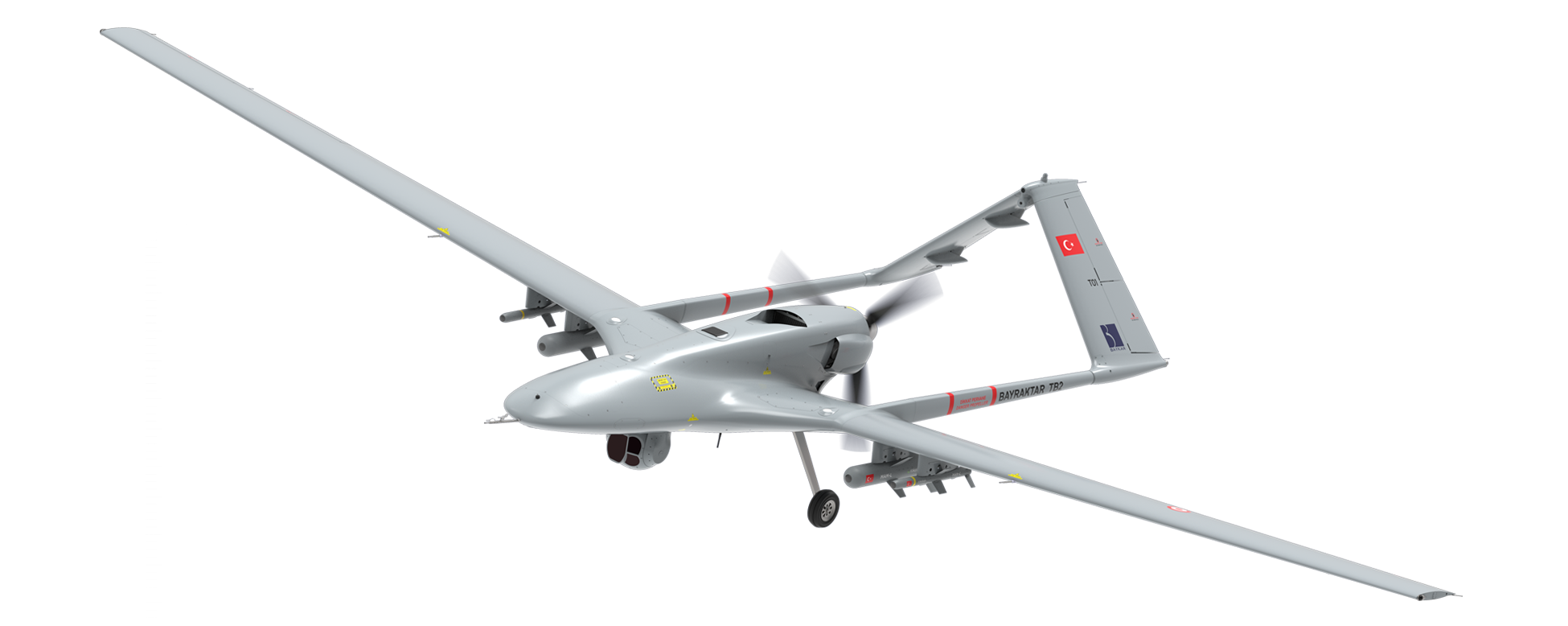
| Turkmenistan | Bayraktar TB2 | Shown at a September 2021 parade; sale not itemised by officials |
| Kyrgyzstan | TB2, AKINCI, AKSUNGUR | TB2 to the Border Guard Service in 2021; AKINCI and AKSUNGUR handed over in October 2023 |
| Kazakhstan | ANKA, Bayraktar roadmap | Licensed assembly agreed in 2022; localisation roadmap with Baykar discussed in 2024 |
| Uzbekistan | Bayraktar, ANKA | Bayraktar-equipped unit reported in January 2026; ANKA delivery agreed in 2025, as reported |
| Tajikistan | Bayraktar | Purchase reported by regional media, not confirmed here |
What Did Turkmenistan Buy First?
Turkmenistan was the early mover. Defense News reported that the country showed its Bayraktar TB2 drones for the first time at the military parade on 27 September 2021, marking 30 years of independence. Baykar posted about the appearance on social media afterwards, which is how outsiders learned the sale had happened at all.
Ashgabat publishes almost nothing on procurement. Reporting at the time put Turkmen imports of Turkish defence and aerospace goods at 37 million dollars for July 2021, without naming the products. Treat that as context, not as the price of the drones.
Turkmenistan is also where Turkish naval exports found their quiet base. Dearsan shipyard’s Turkmenistan record covers the ships. The drones came later and followed the same low-profile pattern.
How Did Kyrgyzstan Build a Turkish Drone Fleet?
Kyrgyzstan is the clearest case of a small army buying hard from Türkiye. The Border Guard Service took delivery of Bayraktar TB2 aircraft in December 2021. Open-source reporting says they were used in the September 2022 border fighting with Tajikistan, though battlefield details come from secondary sources and should be read with care.
The bigger step came in October 2023. Militarnyi reported that Bayraktar AKINCI and Turkish Aerospace AKSUNGUR drones were handed over to the border service at a ceremony attended by President Sadyr Japarov. Haluk Bayraktar, the head of Baykar, received the Order of Glory, a Kyrgyz state award. The number of aircraft was not published. Kyrgyzstan also assembled its first domestic SAARA-02 military drone in October 2022, a small sign that Bishkek wants more than imports.
So a force that began with a handful of TB2s ended up flying aircraft from both of Türkiye’s major drone makers. Details on each company are in our profiles of Baykar and Turkish Aerospace.
Is Kazakhstan Really Going to Build the ANKA?
This is the deal that makes the region different. In May 2022, during President Kassym-Jomart Tokayev’s visit to Ankara, Turkish Aerospace (TUSAŞ) and Kazakhstan Engineering signed a memorandum to produce the ANKA medium-altitude, long-endurance drone in Kazakhstan. It was described as the type’s first production base outside Türkiye, with technology transfer, maintenance and repair included. TUSAŞ’s general manager at the time, Temel Kotil, said the company was excited to establish a new production base for the ANKA.
The paperwork moved slowly. In October 2023 a TUSAŞ official, Erol Oğuz, was quoted by Radio Free Europe/Radio Liberty saying assembly would begin “soon”. A Kazakh Defence Ministry report cited by The Times of Central Asia said ANKA was in trial military use and that production would begin in 2024. We found no public confirmation of a Kazakh-built aircraft rolling out, and no production figure was ever published. Until that appears, the plant is a plan with a signature on it.
The same Defence Ministry report listed other buys. It named SUNQAR tactical and EVOMax mini unmanned systems for acquisition by the end of 2024, along with Otokar COBRA II armoured vehicles expected in 2024. The ANKA-S was also announced for testing by Kazakh troops in late December 2023, according to the TÜRKSAM summary of regional coverage. Kazakhstan, in other words, is buying across the unmanned spectrum, and Turkish products are one lane among several.
Baykar is courting the same customer. In October 2024, at SAHA EXPO in Istanbul, Defence Minister Ruslan Zhaksylykov met Haluk Bayraktar, and the two sides agreed to draw up a roadmap for localising production of tactical unmanned systems and loitering munitions in Kazakhstan. A roadmap is not a factory. Kazakhstan has also pursued drone work with South Korea and China, so it is hedging.
For the aircraft itself, see our explainer on the ANKA family and its variants and the list of countries that operate it.
Where Does Uzbekistan Stand?
Uzbekistan took the diplomatic route first. A framework intergovernmental agreement on military and military-technical cooperation was signed during President Erdoğan’s state visit to Tashkent in March 2022. According to Fergana, Tashkent has since acquired Bayraktar attack drones, agreed in 2025 to take ANKA aircraft made by TUSAŞ, and in January 2026 stood up its first combat unit equipped with Bayraktar systems.
Fergana also noted the Birlik-2025 multinational drills at Kattakurgan in October 2025, involving members of the Organization of Turkic States, and a visit by Chief of the General Staff Gen. Metin Gürak to Tashkent in April 2026. Uzbekistan has also announced local production of its own Shahin drones, as the TÜRKSAM summary notes, and a Bayraktar TB2 demonstration for President Shavkat Mirziyoyev was observed in November 2023. The Fergana details come from a single outlet, and the types and quantities in Uzbek service have not been officially published.
Why Do These Governments Choose Turkish Drones?
Three reasons come up repeatedly, and none requires an ideological story.
- Price and speed. Turkish systems are generally cheaper than Western equivalents and tend to arrive without the licensing delays that come with some US or European platforms.
- Combat record. Customers point to use in Libya, Syria, Nagorno-Karabakh and Ukraine as evidence the aircraft work. We unpack that logic in why countries buy Turkish drones.
- Terms that suit a small industry. Local assembly and training let governments in Astana or Tashkent say they are building capacity, not just importing it. The wider pattern is mapped in our look at Turkish defence factories abroad.
Language and diplomacy help as well. Turkish is close enough to Kazakh, Kyrgyz, Uzbek and Turkmen that trainers and officers can talk with little friction, and the Organization of Turkic States gives defence officials a regular place to meet.
Russia remains the traditional supplier for the region. Kazakhstan’s choice of Russian Su-30SM fighters over French Rafales, reported by The Times of Central Asia, shows Moscow is far from sidelined. Turkish drones fill a different gap: affordable, combat-tested unmanned aircraft.
What Should We Watch Next?
Most of the public record rests on parades, ceremonies and ministerial statements rather than contracts, so the markers below matter more than any single announcement.
Four things will separate announcements from industry, and each is checkable.
- A confirmed ANKA built or assembled on Kazakh soil, with a named facility and a delivery count.
- A signed Baykar localisation agreement in Kazakhstan that goes beyond the 2024 roadmap.
- Official confirmation of aircraft types and numbers in Uzbek service.
- Whether Kyrgyz crews keep the AKINCI and AKSUNGUR flying, since long-term spares and training will test the deals more than the handover ceremony did.
Until then, the safest description of the region is also the least dramatic. Central Asia is a growing customer for Turkish drones, with one real chance of becoming a producer.