Ukraine Put the Turkish Kirpi MRAP Through Its Hardest Test Yet

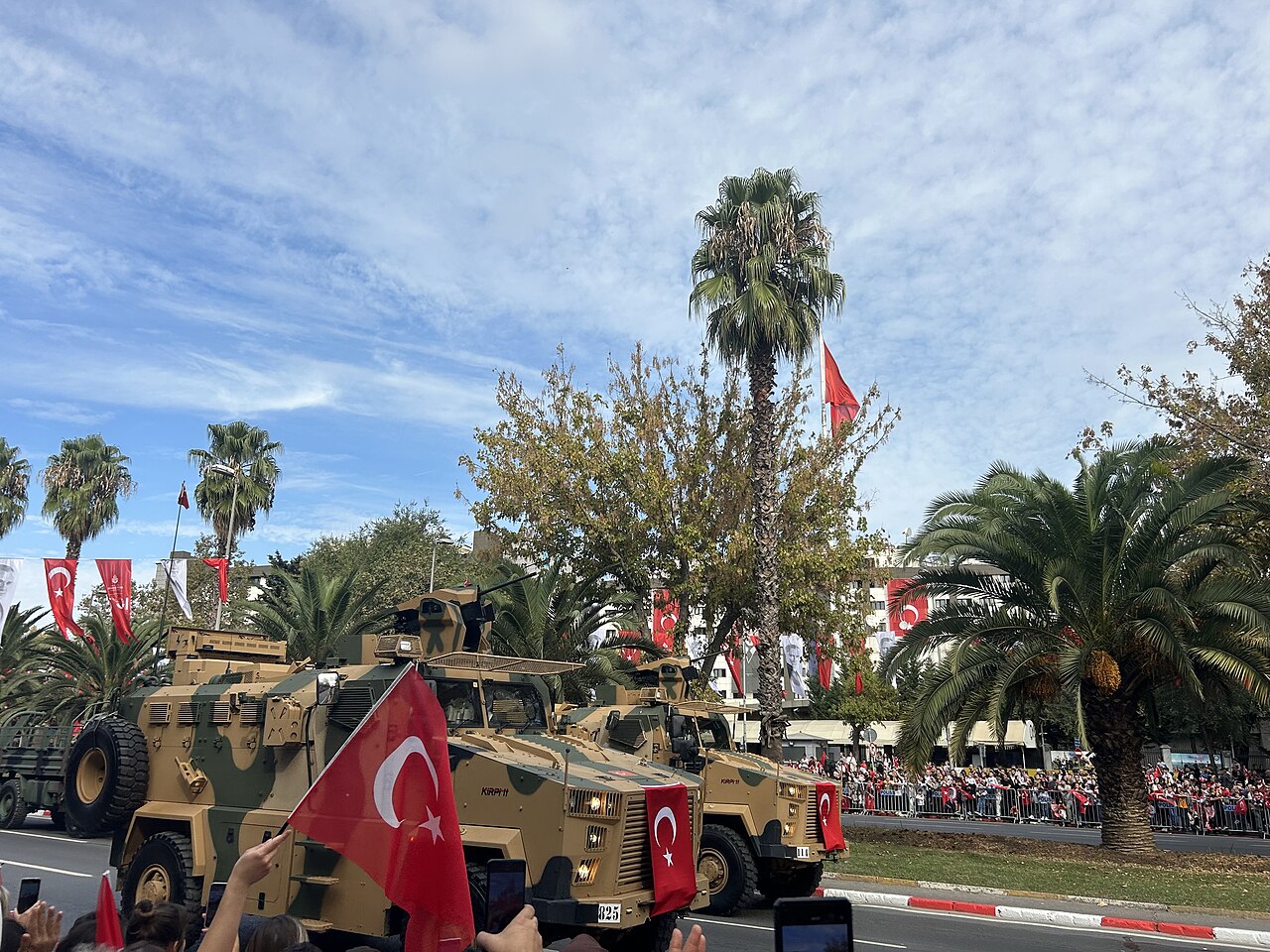
Few armoured vehicles get the kind of audit that a long war provides. BMC’s Kirpi, a 4×4 mine-resistant ambush-protected (MRAP) vehicle that the Turkish Army began taking in 2014, has had that audit in southern Türkiye, northern Syria, Libya and, since 2022, Ukraine. The record is mixed in the way real combat records usually are: a vehicle that protects crews from mines and roadside bombs, and one that has also been destroyed in numbers when it was pushed into roles it was not built for.
What Is the BMC Kirpi?
Kirpi means “hedgehog” in Turkish. BMC, the Izmir-based vehicle maker, began design work around 2008, showed the vehicle publicly at Eurosatory in Paris in 2010, and won a first Turkish procurement contract through the Presidency of Defence Industries (SSB). According to open-source references, the initial order covered 614 vehicles, with deliveries starting in 2014.
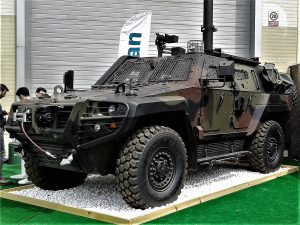
The vehicle carries a V-shaped hull, raised ground clearance and a crew cell designed to channel blast away from the occupants. The original Kirpi uses a Cummins diesel of about 375 hp with an Allison automatic gearbox, and is commonly listed at roughly 18 tonnes empty and 20 tonnes gross, with seating for up to 13 personnel.
| Manufacturer | BMC (Izmir, Türkiye) |
|---|---|
| Type | 4×4 MRAP (a 6×6 variant also exists) |
| First shown | Eurosatory 2010 |
| Deliveries began | 2014 (Turkish Army) |
| Engine (Kirpi I) | Cummins diesel, about 375 hp (BMC’s own TUNA engine reported in newer production) |
| Gross weight | About 20 tonnes (4×4) |
| Capacity | Up to 13 personnel (4×4) |
| Protection | STANAG 4569 ballistic Level 3; Kirpi II reported at mine Level 4 |
| Weapons | 7.62 mm or 12.7 mm machine gun, or 40 mm grenade launcher, typically in a remote weapon station |
How Did Kirpi II Change the Design?
The Kirpi II, introduced around 2018, is the version most buyers are now shown. It is longer and wider than the first vehicle, with an independent suspension, a revised composite armour package and a spall liner. Published figures put it at roughly 7.4 metres long with a top speed near 100 km/h and a range of about 750 km.
The improvements were driven by what crews reported from the first generation. Heavy MRAPs are hard on suspensions, and cooling in hot climates was a recurring complaint for vehicles of this class. Turkish sources also describe a large follow-on army order for the Kirpi II in 2018, reported at 529 vehicles, though the exact delivery schedule has not been published in detail.
Aselsan’s SARP remote weapon stations are the usual armament, which lets the gunner fire from under armour instead of standing in an open hatch.
Where Has Kirpi Actually Fought?
The Turkish security forces were the first real test. Kirpi vehicles have been used against the PKK, including along Türkiye’s southeast, where roadside explosives were the defining threat for years. Turkish forces also used them in the cross-border operations in northern Syria between 2016 and 2019.
Libya came next. Open-source imagery showed Kirpi vehicles with forces aligned with the Tripoli government from 2019, after Ankara’s military support agreement with that side. Reported Libyan holdings are small, in the dozens.
The largest test, however, is Ukraine. Kirpi vehicles were supplied in the early phase of the war, and imagery shows them in Ukrainian Marine and other brigades. Open-source trackers have counted well over a hundred destroyed, damaged or captured by late 2025, from a fleet reported at several hundred. Those tallies are not official and the numbers should be treated as estimates.
Did the Vehicle Pass the MRAP Test?
The fair answer is: for the job it was designed for, largely yes. An MRAP exists to keep a squad alive when a mine or a buried charge goes off under the vehicle. Ukrainian users and outside analysts have often described survivable blast events, with crews walking away from hits that would have killed them in a lightly armoured truck.
The limits are just as clear. A Level 3 ballistic rating covers rifle rounds and shell fragments. It does not cover a modern anti-tank guided missile, a loitering munition with a shaped charge, or a mine heavier than the vehicle was tested against. Once MRAPs are used near the front line, which is not where they were meant to operate, losses follow. That is a doctrine story as much as a hardware story, and it applies to every Western and Turkish MRAP sent into Ukraine.
Crews also report that a tall, heavy 4×4 is awkward off-road in mud. That is the trade-off for a high hull and a flat-bottom-avoiding V shape, and Otokar’s COBRA II faces the same physics in its class.
Who Has Bought It?
BMC has said the Kirpi family has passed 1,500 vehicles produced, with more than 200 of them exported, though the company’s own breakdowns are limited. Customers named in open sources include:
- Türkiye: the Army, the Gendarmerie, the Security Directorate and a small number in Air Force service.
- Tunisia, which is reported to hold a few hundred.
- Pakistan and Libya, with smaller reported quantities.
- Ukraine, through deliveries reported from 2022.
- Somalia, where Türkiye is reported to have handed over a dozen or so vehicles to the Gorgor special forces.
The Somalia transfer fits a pattern that Turkish defence sales in Africa have followed, where training and government-to-government ties come before the big sale.
What Does BMC’s Ownership Mean for Exports?
BMC is a private Turkish company, and its ownership has shifted over the years. Qatar’s Barzan Holdings was widely reported to have taken a minority stake in 2018, which gave the company a Gulf partner and a route to Qatari orders. Ownership details have changed since, so check current filings before quoting a stake.
BMC competes at home with Otokar, Nurol Makina and Katmerciler. Otokar’s sales network is covered in our piece on its export business on four continents, and Nurol’s narrower focus in 4×4 armour. At the lighter end, Katmerciler’s HIZIR II offers a smaller mine-resistant option. The broader pitch is explained in why countries buy Turkish armoured vehicles: quick delivery, workable prices and fewer political strings.
What Comes Next for the Kirpi Line?
The changes to watch are the domestic TUNA engine replacing the imported Cummins unit, which would reduce the vehicle’s dependence on foreign components, and any new export contract that follows the Ukrainian experience. Combat data is valuable to a manufacturer, and BMC has more of it than most. Whether it turns into orders depends on buyers reading the record the way the vehicle’s designers intended: an MRAP that protects the people inside it, not an armoured vehicle for the front line.