Türkiye’s Defence Contracts Hit $15 Billion in 2026, SSB Eyes $20 Billion

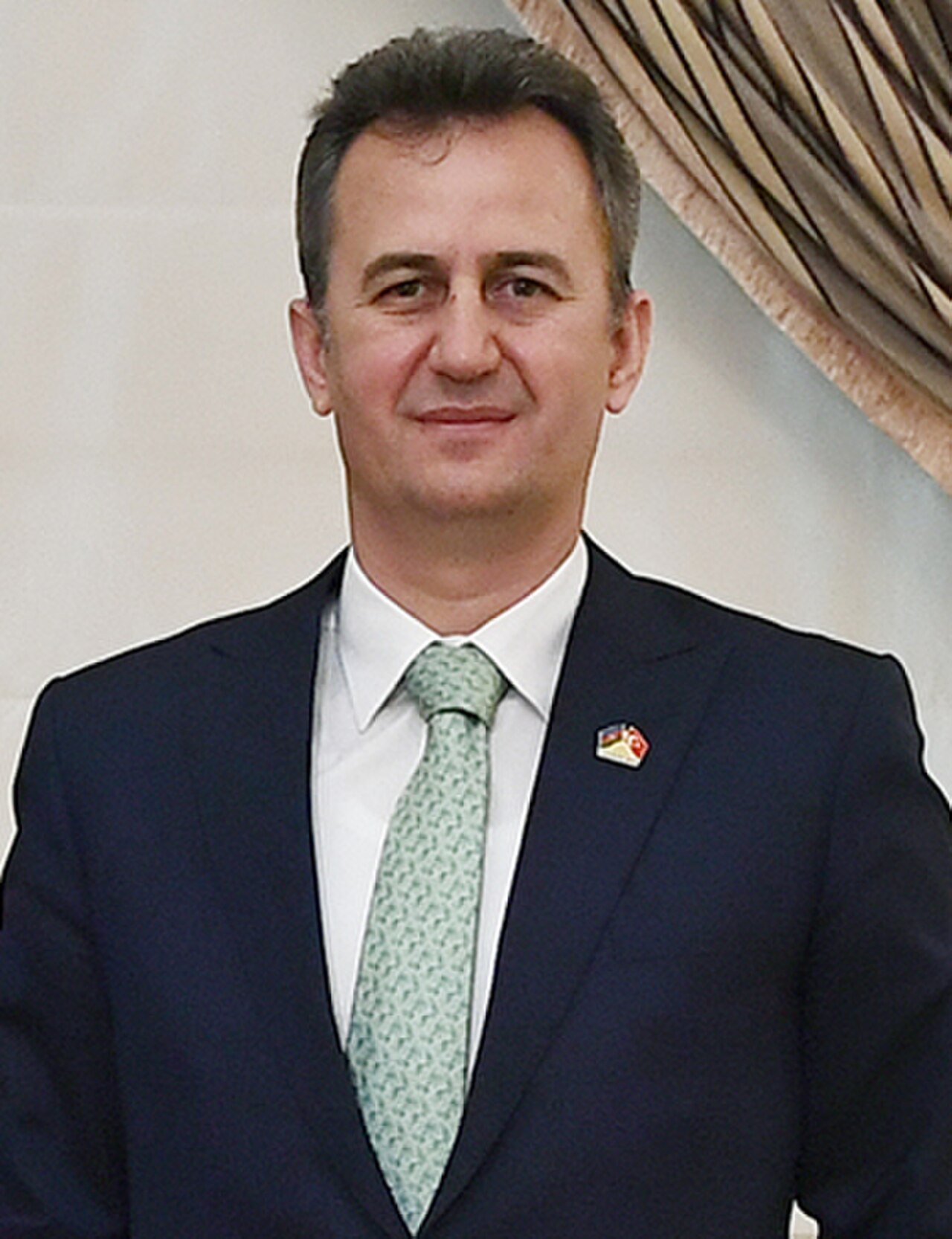
Türkiye’s defence industry has signed roughly $15 billion worth of new contracts so far in 2026, and the head of the country’s Presidency of Defence Industries (SSB) expects that figure to reach $20 billion by the end of the year. Haluk Görgün gave the numbers on October 18 at a subcontractor workshop in Bursa, in remarks reported by Anadolu Agency and Daily Sabah.
The setting mattered as much as the numbers. Görgün was not announcing a single contract signing, but closing out the Subcontractor and Supply Chain Management Workshop in the Defence and Aviation Sector, an event built specifically for the companies that sit a tier or two below ASELSAN, Roketsan, Turkish Aerospace Industries (TUSAŞ), HAVELSAN and STM in Türkiye’s supply chain.
A workshop built around the supply base, not the primes
According to Görgün’s own account of the Bursa event, 209 companies took part and more than 1,000 business-to-business meetings were held over the course of the gathering. The session reviewed progress on recommendations from an earlier workshop and set new ones, under what SSB calls the National Competence Initiative — a push to deepen Turkish-made content from subsystems down to individual components, and to strengthen supply chains from raw production through to finished systems.
The scale of that supply base is the real story behind the headline figure. Görgün said Türkiye’s five largest contractors — ASELSAN, Roketsan, TUSAŞ, HAVELSAN and STM — have placed orders worth more than $20 billion with upwards of 16,000 domestic companies over the past three years. Of that, he said, more than $13.4 billion in domestic orders remains outstanding, meaning subcontractors still have billions of dollars of work on their books waiting to be delivered. For a sector that was overwhelmingly import-dependent two decades ago, a backlog of that size concentrated among thousands of small and mid-sized Turkish firms is itself a measure of how far localisation has gone, beyond the headline programmes that get most of the international attention.
What the $15 billion figure is, and is not
It’s worth being precise about what Görgün’s $15 billion covers. It is his running tally of new contracts signed across the sector in 2026 — domestic procurement and export deals together — not a defence-and-aerospace export total. Türkiye’s export figures are tracked separately and have been reported at different points this year with figures that don’t always line up: $634 million in September alone, a year-on-year rise of 10.7%, building toward a nine-month total Görgün put at $6.92 billion in early October, while a separate mid-October figure cited at an Ankara industry event put year-to-date exports at $7.4 billion. SSB has not published a reconciliation of these totals, and this report treats each as the figure officials themselves gave at the time, rather than an independently audited number. The $15–20 billion contract figures sit on top of and separate from any of those export tallies, since they include large domestic orders like ASELSAN’s €2.46 billion hybrid air defence contract with SSB, signed earlier this month, which will not show up in export statistics at all.
Görgün also repeated a point his office has made before: that Turkish defence and aerospace exports are growing faster than the country’s overall exports, and that the sector’s exports now generate roughly 40 times the revenue per kilogram of the national export average — a proxy for how far up the value chain Turkish-made hardware has moved, from raw materials and low-end manufacturing toward finished sensors, munitions and platforms.
Why the subcontractor layer matters internationally
For buyers outside Türkiye, the Bursa workshop is a reminder that programmes like GÖKALP, İHTAR or the export-grade variants of ASELSAN’s and Roketsan’s air defence lines don’t run on five company names alone. A supply chain spanning 16,000 firms is also a capacity argument: it’s part of how Türkiye has been able to take on large, multi-year export contracts — such as Otokar’s $1.47 billion armoured vehicle deal or the growing list of air defence sales — without the kind of production bottlenecks that have slowed deliveries elsewhere in the industry. It is also, inevitably, a vulnerability argument, since a supply base that size depends on component availability, skilled labour and continued government order flow to stay healthy.
None of this is as dramatic as a single signed export contract, and Görgün’s figures should be read as the industry’s own progress report rather than as verified, line-itemised accounting — Turkish defence contracts routinely go unitemised, with buyers and even unit numbers withheld. But the $15 billion-to-$20 billion range, paired with a $13.4 billion domestic backlog spread across thousands of firms, is a useful corrective to the idea that Turkish defence growth is only a story about Baykar’s drones or TUSAŞ’s KAAN fighter. It is increasingly also a story about the agency managing that growth and the much larger, less visible layer of companies feeding it. For a sector SSB says now employs more than 100,000 people and is regularly compared with export leaders such as South Korea, the Bursa numbers are a sign of how much of that growth sits below the primes most foreign coverage focuses on.