ASELSAN Signs $195 Million Radar Contract With Türkiye’s SSB

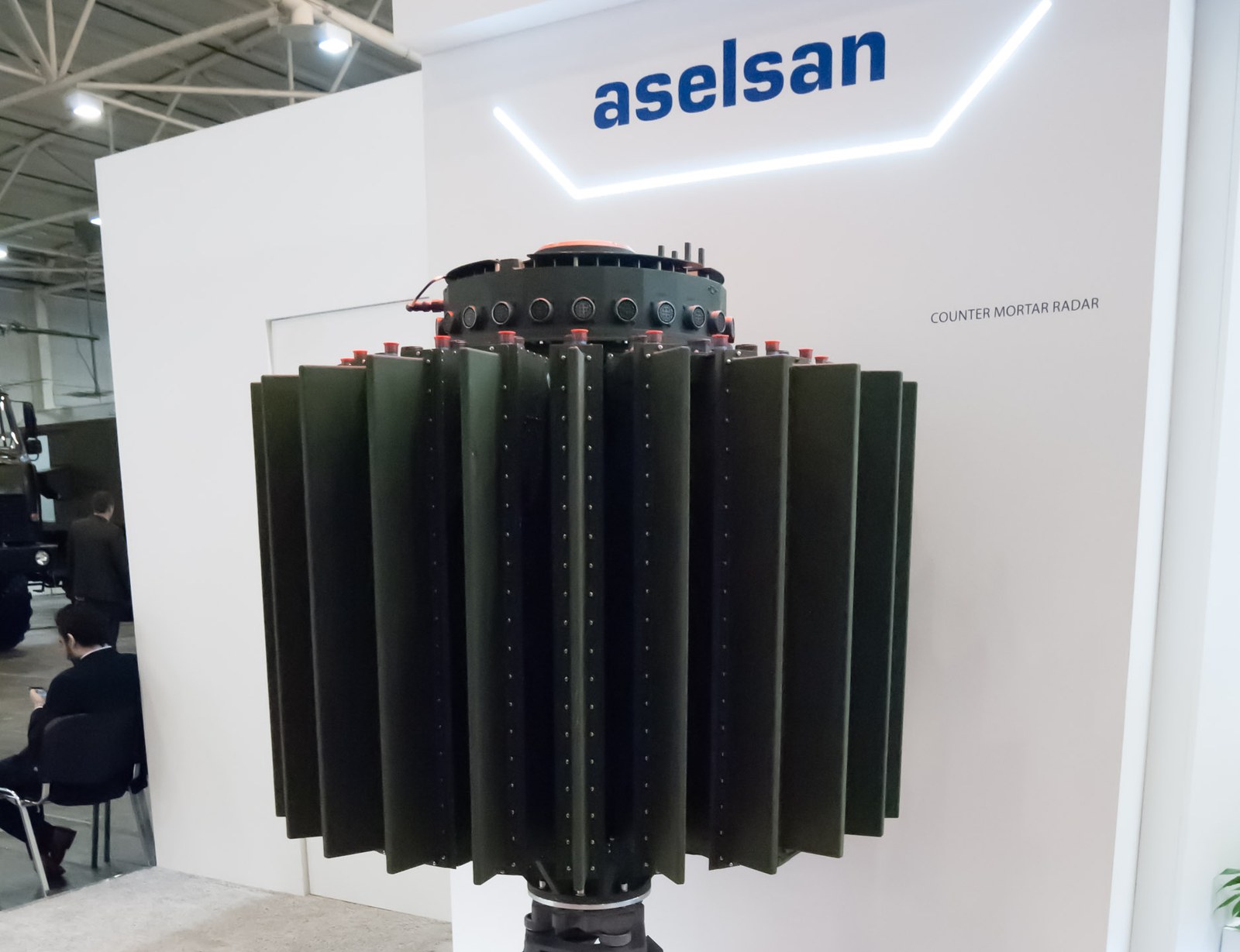
ASELSAN signed a $195 million contract with Türkiye’s Presidency of Defense Industries (SSB) on October 7 for the procurement of radar systems, the company disclosed through Turkey’s Public Disclosure Platform (KAP). It is the fourth separate ASELSAN disclosure of the month, following a run of contracts that has pushed the company’s October bookings with SSB and foreign customers toward roughly €4 billion in under a week.
As with most KAP filings of this kind, ASELSAN gave only the essentials: the counterparty, the value, and a line stating the agreement would “positively affect the company’s turnover.” It did not name the radar type, specify quantities, or publish a delivery schedule. SSB’s own announcements on contract value are typically similarly brief — a pattern Turkish defence contracts routinely follow for programmes still in early stages or where customer sensitivities apply domestically as well as abroad.
Part of a Crowded Week for ASELSAN
The radar deal lands in the middle of an unusually dense stretch of ASELSAN disclosures. On October 2, the company reported a €488.5 million air defence export contract with an undisclosed foreign customer. Three days later, it followed with a €2.46 billion SSB contract for “hybrid air defense systems” — by some measures the largest single agreement in the company’s 51-year history. Earlier in the quarter, ASELSAN and Roketsan jointly signed a separate €1.23 billion air defence deal tied to serial production of the SİPER and HİSAR families.
None of these filings specify whether the new radar contract supports the same programmes, though the timing — radar procurement arriving days after a hybrid air defence award — fits a pattern SSB has followed before: fire-control and surveillance radars are typically contracted close to the systems they feed.
Why Radar Supply Matters Here
Radar is the sensing layer underneath nearly every Turkish air defence and naval weapons system now in serial production, from the long-range SİPER interceptor to the KORKUT and GÜRZ gun systems built to counter low-cost drones. ASELSAN is one of three domestic houses — alongside Meteksan and HTR — that design and build these radars in Türkiye, part of a broader push to develop indigenous AESA radar technology from the semiconductor level up. A steady cadence of radar contracts, even without disclosed specifications, signals SSB is continuing to fund that sensing layer rather than treating it as a bottleneck.
SSB is not a marginal customer for ASELSAN. In the company’s most recent disclosed financials, the agency accounted for 30.6% of net sales and 37.8% of trade receivables — a dependence that cuts both ways. It gives ASELSAN a reliable, large domestic buyer insulated from export-control politics, but it also means the company’s quarterly results increasingly track the pace of Turkish procurement decisions rather than open-market competition.
What’s Still Unknown
Beyond the dollar figure, there is little to verify independently. ASELSAN has not said which platform, service branch, or programme the radars are destined for, nor given a delivery window — a gap typical of KAP disclosures for domestic defence contracts, where commercial and security considerations often outweigh the pressure for transparency that applies to export deals. Readers should treat the $195 million figure as the contract’s value, not a down payment or a multi-year total broken into annual tranches; SSB has occasionally structured large framework deals that are disclosed once but delivered over several years, and ASELSAN’s statement does not clarify which applies here.
The company’s run of October disclosures — radar, hybrid air defence, and the earlier export contract — will likely be visible in ASELSAN’s next quarterly results, which should offer a clearer picture of how much of the announced total converts into recognised revenue within the year.
Sources: ASELSAN KAP disclosure via Anadolu Agency (Turkish), October 7, 2026.