TOMTAŞ to Build 70% of HÜRJET Jet Trainer’s Airframe Structure

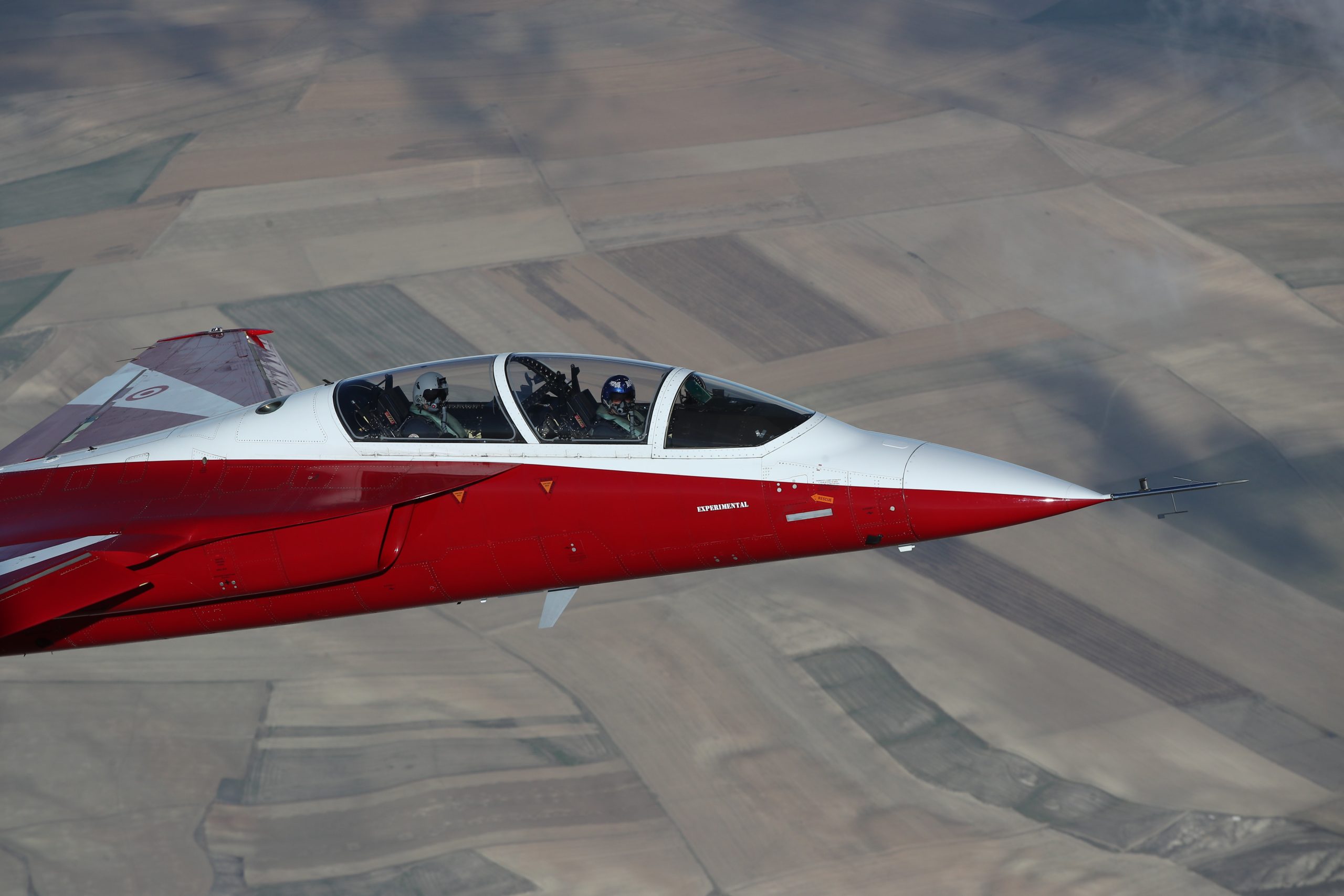
TOMTAŞ Havacılık, a Kayseri-based aerospace supplier co-owned by TUSAŞ, ASFAT and a group of local investors, says it will manufacture around 70% of the structural parts for Türkiye’s HÜRJET advanced jet trainer, with the first finished component sets due at TUSAŞ’s Ankara plant in December. The figure, disclosed by TOMTAŞ general manager and acting board chairman Ali Ekşi in comments to Anadolu Agency, is one of the clearest looks yet at how far Turkish Aerospace Industries has pushed HÜRJET production beyond its own factory floor.
Ekşi said roughly 7,000 individual detail parts will be machined in Kayseri and assembled into five main structural components before being shipped to TUSAŞ, where they will be joined and fitted with the aircraft’s General Electric F404 engine. He credited the 70% structural-share figure to TUSAŞ general manager Mehmet Demiroğlu, suggesting the division of labor was set by the prime contractor rather than claimed unilaterally by the supplier.
A Second-Tier Supplier Takes Shape
TOMTAŞ’s HÜRJET work is run out of a dedicated 10,000-square-metre component assembly hall, part of a wider Kayseri site that Ekşi says already covers more than 25,000 square metres of enclosed production space, with another 10,000 square metres due by the end of the year — bringing the total past 35,000 square metres. The company has close to 100 CNC machines on the floor and employs more than 500 people, about 150 of them engineers and other white-collar staff.
That is a meaningful buildout for a supplier most foreign readers have never heard of, and it reflects a pattern Türkiye has leaned on across several programmes this year: rather than keep every structural and sub-assembly job inside TUSAŞ’s own Ankara campus, the state aircraft maker is routing serial-production work to a tier of regional partners it partly owns. TOMTAŞ is 51% held by Kayseri business interests and 49% by public-sector shareholders, including ASFAT and TUSAŞ itself — a structure that keeps the supplier close to state oversight while still drawing on private capital and management.
Ekşi described the company’s ambition in broader terms than a single aircraft: TOMTAŞ wants to become a general support centre for Turkish defence industry, covering detail-part production, assembly and maintenance, repair and overhaul work across multiple platforms rather than research and development on its own designs. The Kayseri plant traces its lineage to Tayyare ve Motor Türk Anonim Şirketi, founded in 1926 as one of Türkiye’s first aircraft factories under licence with Junkers; the site was converted into an air force depot and maintenance centre in 1950 before TOMTAŞ revived aircraft-structure production there under its current ownership.
December Deliveries, a 2027 First Flight Target
The December target Ekşi cited covers the first HÜRJET component sets — the five structural assemblies built from those 7,000 machined parts — not a complete, flying airframe. Final assembly, systems integration and engine fitting still happen at TUSAŞ in Ankara, and Ekşi expects an aircraft built this way to fly in 2027. That is consistent with the programme’s broader status: TUSAŞ has already flown HÜRJET prototypes, the Turkish Air Force has 55 on order, and Türkiye and Spain agreed in October to co-develop a HÜRJET variant for NATO and third-country markets, pushing the jet trainer toward its first export customer.
Neither Ekşi nor Anadolu Agency’s report put a figure on TOMTAŞ’s investment in the Kayseri buildout, and the interview did not disclose how many HÜRJET airframes the TOMTAŞ-built components are contracted to cover. Those gaps matter: a structural-share percentage describes TOMTAŞ’s slice of the airframe’s physical parts, not of the aircraft’s total value, and it says nothing about the pace of serial production once deliveries begin. Türkiye’s Presidency of Defence Industries (SSB), which oversees HÜRJET alongside TUSAŞ and the Ministry of Industry and Technology, has not issued its own statement on the TOMTAŞ arrangement.
Why a Supplier Story Matters to Export Customers
For an international audience, the TOMTAŞ disclosure is less about Kayseri’s factory floor and more about what it signals regarding Türkiye’s capacity to sustain HÜRJET production at export scale. TUSAŞ is already juggling serial output of the KAAN fighter, the ANKA and AKSUNGUR drone families, helicopter programmes and now HÜRJET; TUSAŞ itself has spoken of building 250 to 300 KAAN jets over the programme’s life, on top of everything else on its order books. A credible second-tier supplier base — one that can take on structural work to a fixed timetable rather than leaving it bottlenecked inside a single Ankara plant — is one of the more boring-sounding but necessary conditions for Türkiye to actually deliver on export commitments like the Spain co-development deal, rather than simply sign them.
It also fits a wider push, tracked in Türkiye’s broader effort to expand defence manufacturing capacity, to spread serial production geographically rather than concentrate it entirely in Ankara and Istanbul. Whether TOMTAŞ hits its December target for the first component sets will be the first real test of that bet.