Kale Jet Motors Delivers 1,000th KTJ Missile Engine

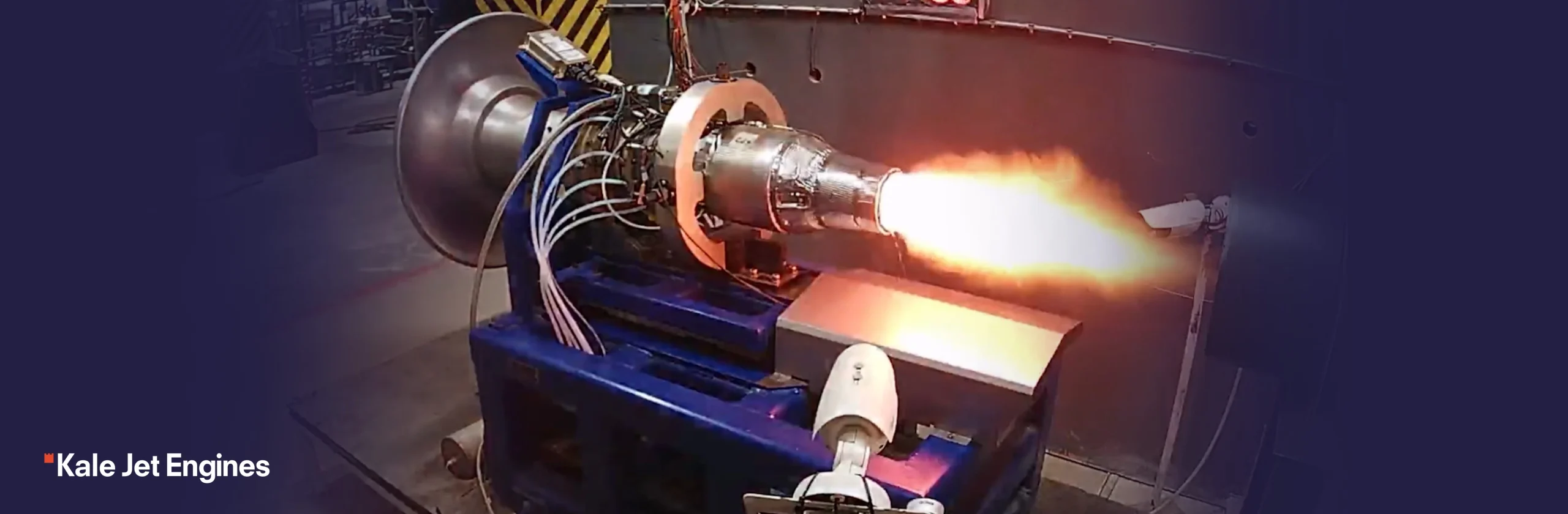
Kale Jet Motorları delivered the 1,000th engine in its KTJ turbojet series on Nov. 5, closing out a production run that now powers four of Türkiye’s domestically built cruise and land-attack missiles without a single imported engine, the Presidency of Defence Industries (SSB) said.
The ceremony, held at SSB’s Nuri Demirağ Meeting Hall in Ankara, was framed by SSB President Haluk Görgün less as a round-number celebration than as proof Turkish industry can repeat a hard engineering result at volume. “Developing the first engine is a major engineering achievement,” Görgün said. “Being able to produce and deliver a thousand of them with the same quality is, in itself, an industrial achievement.”
From Imported Motors to a Domestic Production Line
Görgün said the KTJ programme has kept at least $200 million inside Türkiye that would otherwise have gone to foreign engine suppliers, a figure he said will rise as production ramps up further. He linked the engine’s development to a long-standing complaint among Turkish missile designers: that domestically engineered airframes and guidance packages had for years still depended on imported turbojets, a dependency that brought delivery delays, export-licensing friction and exposure to foreign embargoes.
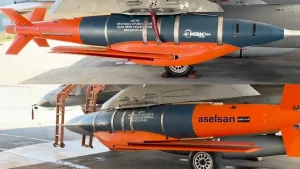
Those are exactly the small turbojets that now keep Türkiye’s current generation of cruise missiles in the air. Kale’s KTJ-series engines power the SOM air-launched cruise missile, the ATMACA anti-ship missile, the ÇAKIR land-attack cruise missile that ROKETSAN began delivering to Turkish land forces in October, and the truck-launched KARA ATMACA.
Kale Group acting chairman Osman Okyay said the company is running four new engine development projects in parallel and wants to grow exports of the models already in serial production, though neither he nor Görgün gave figures, export destinations or a timeline. Officials credited the programme’s progress to coordination between Kale, ROKETSAN, TÜBİTAK SAGE, the Turkish Armed Forces and SSB-organised subcontractors, rather than to Kale alone.
A Smaller Name in a Crowded Field
Kale Jet Motorları is a far smaller and less internationally visible player than ASELSAN, ROKETSAN or Turkish Aerospace, but its engines sit at a genuine chokepoint in the missile supply chain: an airframe and seeker are of limited use without a propulsion unit that can be exported without a third country’s sign-off. TEI, Türkiye’s larger engine house, has pursued its own turbojet and turboshaft lines for manned and unmanned aircraft, while Kale has concentrated specifically on the smaller, missile-class turbojet segment — a category Turkish firms have now cleared almost entirely of foreign content, alongside efforts such as the SOM cruise missile shedding its original French engine. A broader look at who builds Türkiye’s aircraft engines shows how Kale fits alongside TEI and TRMotor in that supply chain, and how Kale itself funded two of its three missile turbojets without state R&D money.
Görgün tied the milestone to a broader SSB talking point: domestic content across Turkish Armed Forces inventory has risen from roughly 20% in the early 2000s to more than 80% today, a shift he traces to a May 2004 decision, taken under then-Prime Minister Recep Tayyip Erdoğan, to cancel a round of foreign procurement tenders in favour of indigenous development. The KTJ programme, he said, is one direct product of that decision.
Neither SSB nor Kale disclosed a current annual production rate for the KTJ line at the Nov. 5 ceremony. The company has previously said its lines can produce more than 500 engines a year, a capacity that implies the 1,000-engine total could be matched again within about two years at full-rate output, though officials did not restate that figure this week.
Sources: Anadolu Agency; Presidency of Defence Industries (SSB).