Turkish Naval Forces to Receive Another Frigate

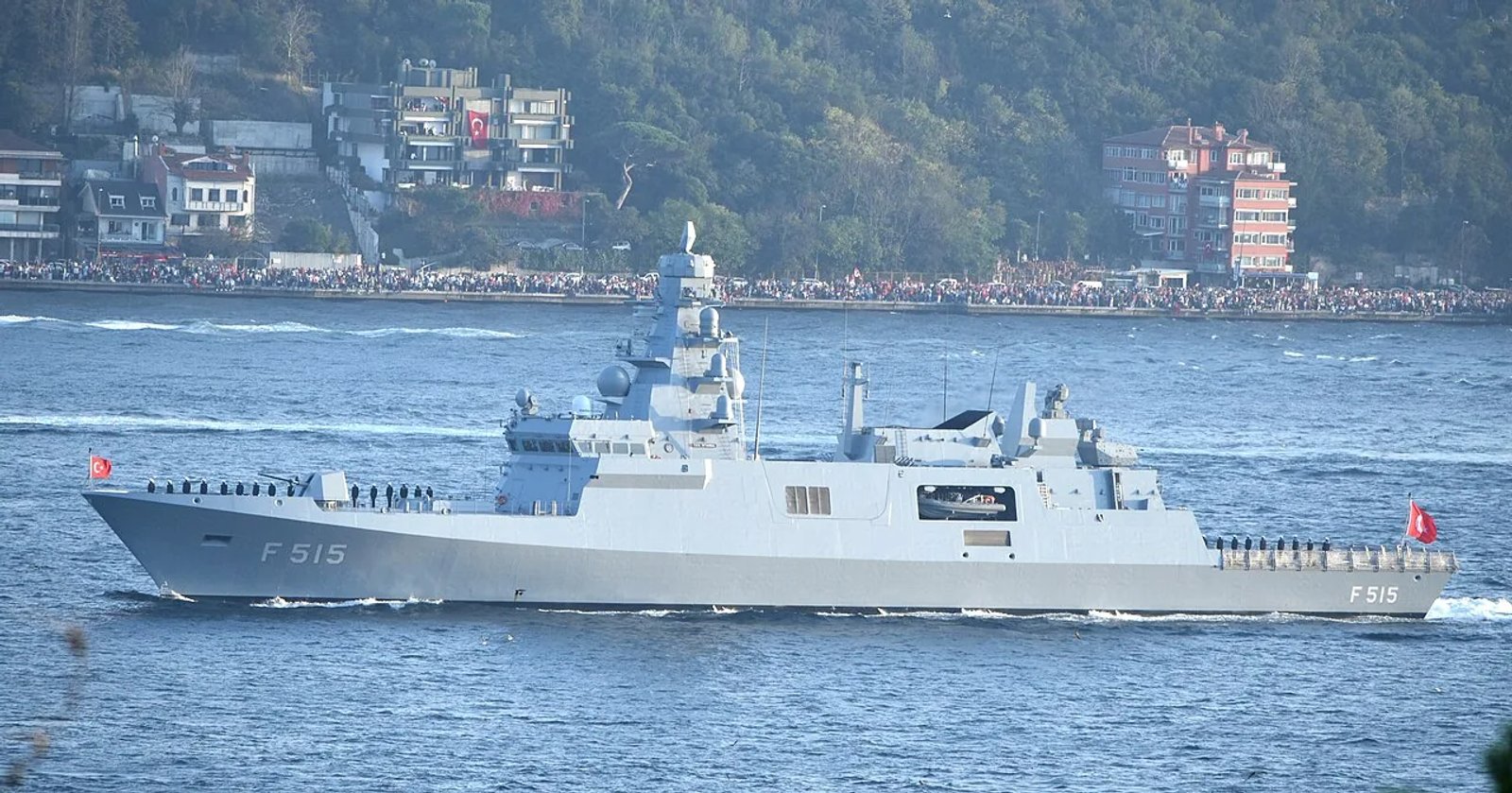
The process of adding another İstanbul-class frigate, developed under the MİLGEM project, to the Naval Forces inventory is reported to be advancing. The class’s first ship, TCG İstanbul, serves as the reference point as the first national design at frigate level in Turkish naval industry.
Core figures of the class
TCG İstanbul (F-515) has a displacement of about 3,100 tons and a length of 113.2 metres. The ship’s maximum speed is above 29 knots, its cruising range 5,700 nautical miles and its complement about 123-125 personnel. Propulsion is based on a CODAG arrangement: two MTU 4000M93L diesel engines working alongside a single LM2500 gas turbine. The components of the propulsion group remain of foreign origin.
A high density of domestic systems
The ship’s sensor and weapons architecture is largely domestic. ASELSAN’s CENK 400-N search radar, two AKREP fire-control radars, the ALPER LPI radar, the AHTAPOT electro-optical targeting system, the FERSAH hull sonar and the HIZIR torpedo countermeasure system are all fitted. The combat management system is HAVELSAN’s ADVENT. On the weapons side are ROKETSAN’s ATMACA anti-ship missiles in a 2×8 configuration and HİSAR-D air defence missiles integrated with the MİDLAS vertical launching system; close-in air defence is provided by ASELSAN’s GÖKDENİZ, alongside two SMASH 200/25 remote-controlled guns.
Build timeline
Steel was cut for TCG İstanbul on 19 January 2017, the ship was launched on 23 January 2021 and commissioned on 19 January 2024. The seven-year span between steel cutting and commissioning reflects the design and integration burden of being the first ship of a class. STM acted as prime integrator, while the procurement process was managed by the Presidency of Defence Industries.
How a frigate differs from a corvette
Compared with corvettes, the frigate class means greater displacement, longer range and larger vertical launching cell capacity. This difference allows the ship to operate not only in coastal waters but also on the open sea, and to provide a layer capable of protecting the fleet in the air defence role. In anti-submarine warfare, having a hull sonar, torpedo countermeasures and helicopter capacity together becomes decisive.
The MİLGEM family’s accumulated experience
The İstanbul class is the frigate-level continuation of the MİLGEM programme that began with the ADA-class corvettes. The programme also created Turkish naval industry’s export reference, most visibly through the MİLGEM-based programme for Pakistan. Across its variants, significant experience has accumulated in design, integration and shipyard workforce capacity.
Assessment
The new ship’s entry will increase the number of modern frigates in the fleet. What will determine the class’s operational value, however, is the maturity of sensor-weapon integration and sustainment capacity rather than the number of hulls. The continuing external dependency in the propulsion group remains among the issues the programme needs to address in the medium term.