TAI Targets More Than 1,500 Platforms by 2035 as KAAN Edges Toward a New Flight

Turkish Aerospace’s (TAI) general manager, Mehmet Demiroğlu, has put a number on where the company wants to be in a decade: more than 1,500 aircraft, helicopters, large drones and satellites delivered by 2035, built largely through a subcontractor network the company is still working to expand. He laid out the target at a defence and aerospace subcontractor workshop, according to a report by Türkiye Today, published October 18. Days earlier, he told students at Kastamonu University that a KAAN fighter prototype could fly again “even within this month.”
The Numbers Behind 1,500
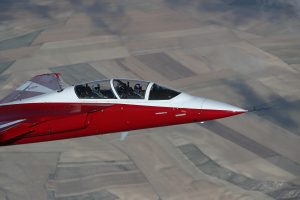
TAI’s figures break down into three broad groups. Fixed-wing aircraft account for more than 500 of the total: over 150 KAAN fighters, 200 HÜRJET trainers and 150 HÜRKUŞ turboprops. Helicopters add roughly 450 more: over 200 GÖKBEY utility helicopters, 150 T925s and 100 T129 ATAK gunships. Drones make up the rest, led by more than 250 ANKA-3 flying-wing combat drones alongside 150 AKSUNGUR and 150 ANKA platforms. TAI also expects to deliver more than 20 satellites and over 30 new products or configurations in the same period.
Demiroğlu was careful to describe these as company production objectives rather than confirmed orders — a distinction worth keeping in view given how far some of the underlying programmes still have to travel. Türkiye currently has signed contracts for 68 KAAN jets, well short of the 150-plus implied by the 2035 figure, though TAI has separately talked of eventually building 250 to 300.
Betting on Subcontractors
Hitting that volume depends on TAI handing more of the actual manufacturing to outside suppliers. The company said it already outsources around 70 percent of manufacturing work and nearly 60 percent of detailed-parts work to subcontractors, with a goal of pushing both toward 70–80 percent. Component-level outsourcing, currently around 40 percent, is targeted to reach 70 percent.
Kayseri-based TOMTAŞ is one example already in motion: the firm is set to produce roughly 7,000 detailed parts and assemble five major structural sections for the HÜRJET trainer, with first deliveries to TAI due in December 2026. More announcements like it will be needed if TAI is to hit its stated outsourcing ratios by 2035.
KAAN’s Next Flight
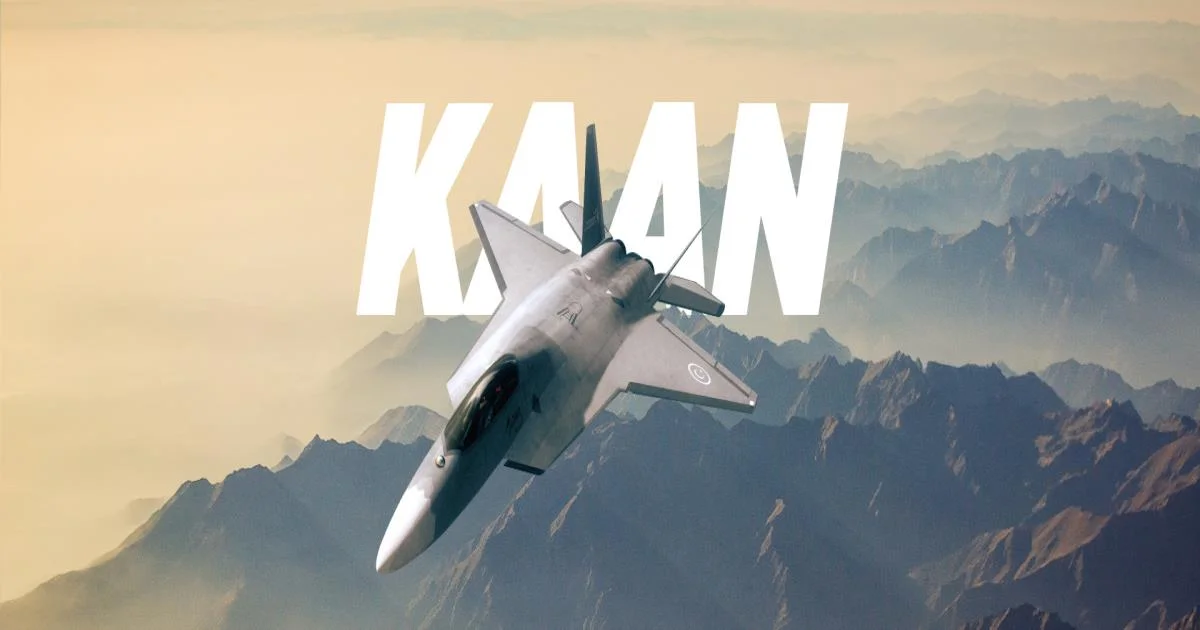
The more immediate news is KAAN. Demiroğlu told Kastamonu University on October 12 that teams are “working at full capacity” to get a prototype back in the air, “even within this month.” Turkish Aerospace has not set a firm date publicly, and the flight-test schedule is running behind the pace suggested when the first prototype flew in February 2024. The programme’s delivery target to the Turkish Air Force remains 2028, Demiroğlu said, unchanged.
One detail is worth flagging for readers tracking the localisation story: Demiroğlu said TÜBİTAK now supplies KAAN’s flight control computers, work he described as previously closed to TAI. If that holds up, it marks a narrowing of one of the harder dependencies in a fifth-generation fighter programme — flight control hardware and software are usually among the most tightly guarded parts of any combat aircraft design, Turkish or otherwise.
Exports Already Running Ahead of the Fighter
While KAAN still flies only in prototype form, TAI’s trainer aircraft are already earning export revenue. Spain has bought 30 HÜRJET trainers and is reportedly considering 15 more, in a pilot-training programme Demiroğlu valued at roughly €2.6 billion ($2.9 billion). HÜRKUŞ turboprop trainers have begun deliveries as well, with Azerbaijan as the first export customer; Demiroğlu said further export sales would follow.
Why Outside Observers Should Care
For international readers, the relevant question is not whether TAI hits 1,500 platforms exactly on schedule — multi-year industrial targets rarely land precisely as announced, in Türkiye or anywhere else. It is whether the company can turn a subcontractor-heavy manufacturing model into the kind of output that lets it compete on price and delivery time against established Western suppliers and newer entrants in the same markets: light fighters, combat drones and jet trainers. HÜRJET’s early sale to a NATO member like Spain, alongside Azerbaijan’s HÜRKUŞ order, suggests TAI’s trainer aircraft are already finding buyers on their own merits. KAAN and ANKA-3 remain the harder test, since neither has yet flown in a form close to what Ankara ultimately wants to field or sell abroad. Türkiye’s defence sector has a mixed record on hitting its own published timelines, so both the 2028 KAAN delivery date and the “within this month” flight promise are numbers worth watching rather than banking on.
Source: Türkiye Today, reporting remarks by TAI General Manager Mehmet Demiroğlu at a defence subcontractor workshop and at Kastamonu University.