
Nusret-2026: Türkiye Hosts NATO’s Black Sea Mine Warfare Exercise

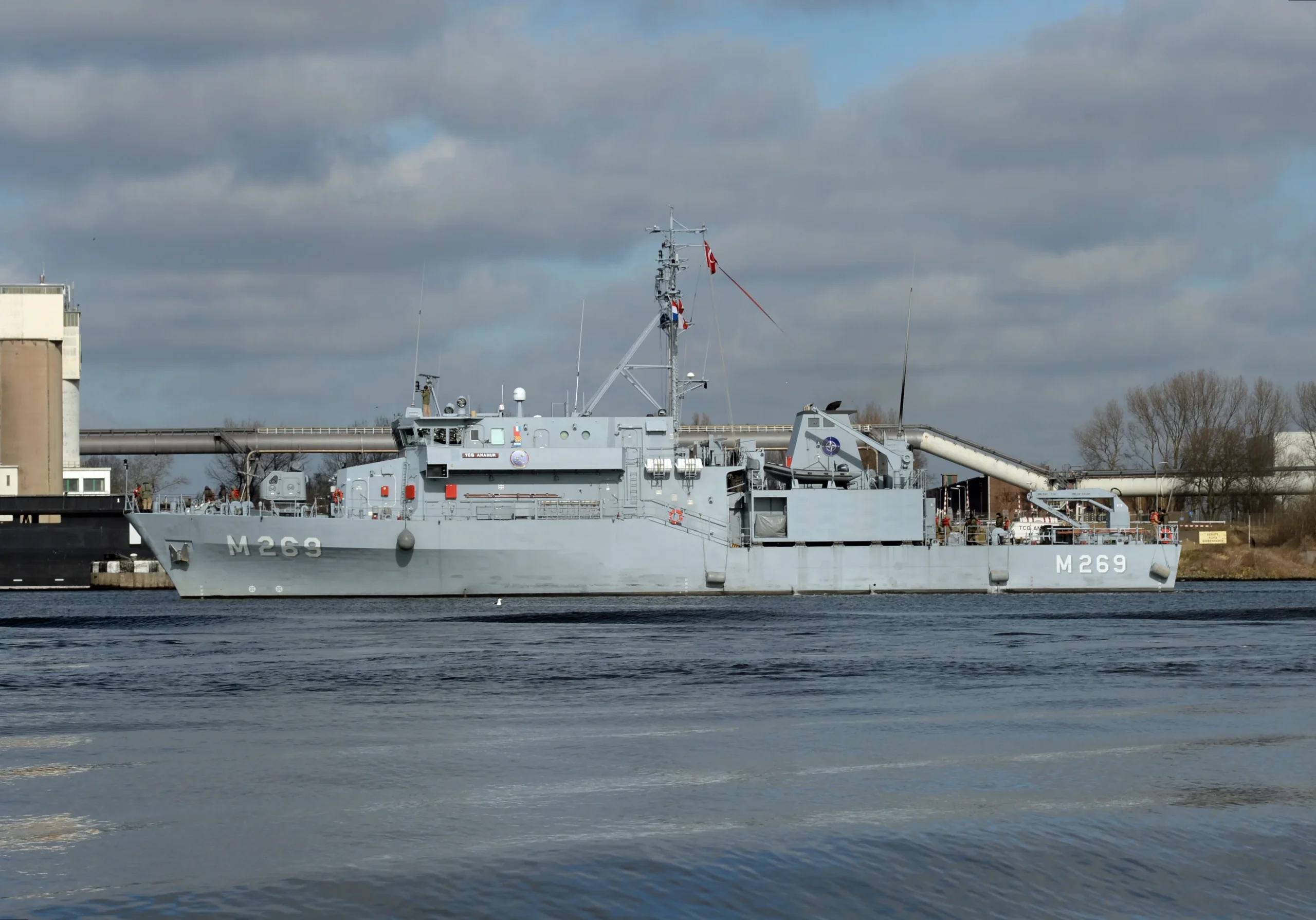
Türkiye opened a ten-day multinational naval exercise on October 6 built around a mission that rarely makes headlines but matters enormously in the Black Sea: clearing mines. Nusret-2026, hosted by the Turkish Naval Forces in the Gulf of İzmir and off Karadeniz Ereğli on the Black Sea coast, runs through October 16 and brings together NATO’s two standing mine countermeasures groups alongside national units from a dozen countries.
The Turkish Ministry of National Defence put the order of battle at 20 ships, five aircraft and an unspecified number of unmanned systems. Participants include Turkish Naval Forces, Air Force and Coast Guard units; NATO’s Standing Mine Countermeasures Group 2 (SNMCMG-2), whose rotating membership currently draws on Germany, Greece, Italy, Spain and Türkiye; and the Black Sea Mine Countermeasures Task Group (MCM Black Sea), made up of Bulgaria, Romania and Türkiye. Explosive ordnance disposal and autonomous underwater vehicle teams from the United States, Belgium, the Netherlands, Kuwait, Romania and Oman are also taking part, with 32 military observers from other countries watching the drills.
Why Mine Warfare, and Why Now
Mine countermeasures have become one of the more operationally relevant missions in the Black Sea since 2022, when floating mines — some reportedly adrift from Ukrainian and Russian minefields — began washing up along the coasts of Türkiye, Romania and Bulgaria, forcing all three countries to keep minehunters on near-continuous alert. Türkiye’s own mine warfare fleet is built around the AYDIN-class, a locally built minehunter design equipped with variable-depth sonar and remotely operated mine disposal systems capable of working down to 300 metres. Ships of this class, along with Turkish Navy divers and unmanned underwater vehicles, form the backbone of the national contingent at Nusret-2026.
According to the Defence Ministry, the exercise is meant to “improve the participating units’ capabilities in the planning, execution and assessment of mine warfare operations” and to build interoperability between mine warfare units from different navies — a goal that matters more in the Black Sea than in most other theatres, given how many of the countries bordering it, NATO members and partners alike, now operate alongside each other on a near-continuous basis to keep shipping lanes clear.
Part of a Busier Calendar
Nusret-2026 is not an isolated event. It follows Türkiye’s own Denizkurdu-I/2026, the Turkish Navy’s largest fleet exercise of the year, held in late September across the Black Sea, Aegean and Eastern Mediterranean. Running a NATO-standard mine countermeasures drill barely two weeks later underscores how much of the Turkish Naval Forces’ annual exercise calendar is now built around sustained, rotating engagement with allied navies rather than one-off set-piece drills.
It also puts Turkish-built equipment in front of a NATO and partner-nation audience for an extended period. Türkiye’s naval shipbuilders — from state yards to private builders like Dearsan, which has built its export record on patrol and mine-related vessels — have increasingly used exercises like this one as a showcase alongside formal trade fairs. Sensor suppliers follow the same pattern: Meteksan, which builds sonar systems used in Turkish mine warfare and anti-submarine roles, has previously cited NATO exercises as a proving ground for export sales.
The International Angle
For NATO, Nusret-2026 is a routine but necessary piece of alliance business: SNMCMG-2 and MCM Black Sea exist precisely to keep mine warfare crews from different navies able to operate together on short notice, and hosting both groups simultaneously is one of the more substantial contributions Türkiye makes to that standing effort. For Türkiye’s shipbuilding and sensor industry, it is also a chance to demonstrate, in a live multinational setting rather than a trade-show booth, how its domestically built mine warfare fleet performs next to the ships of NATO allies — a track record that matters to the same cluster of NATO member navies that make up a growing share of Türkiye’s defence export customer base.
No contracts or procurement announcements are tied to Nusret-2026; it is an exercise, not a sales event. But for an industry that has leaned heavily on exhibition floors to make its case abroad, ten days of mine warfare drills alongside five other navies is its own kind of pitch.
Sources: Daily Sabah, Turkish Ministry of National Defence.


