ASELSAN Announces Record Growth in the First Half of 2026

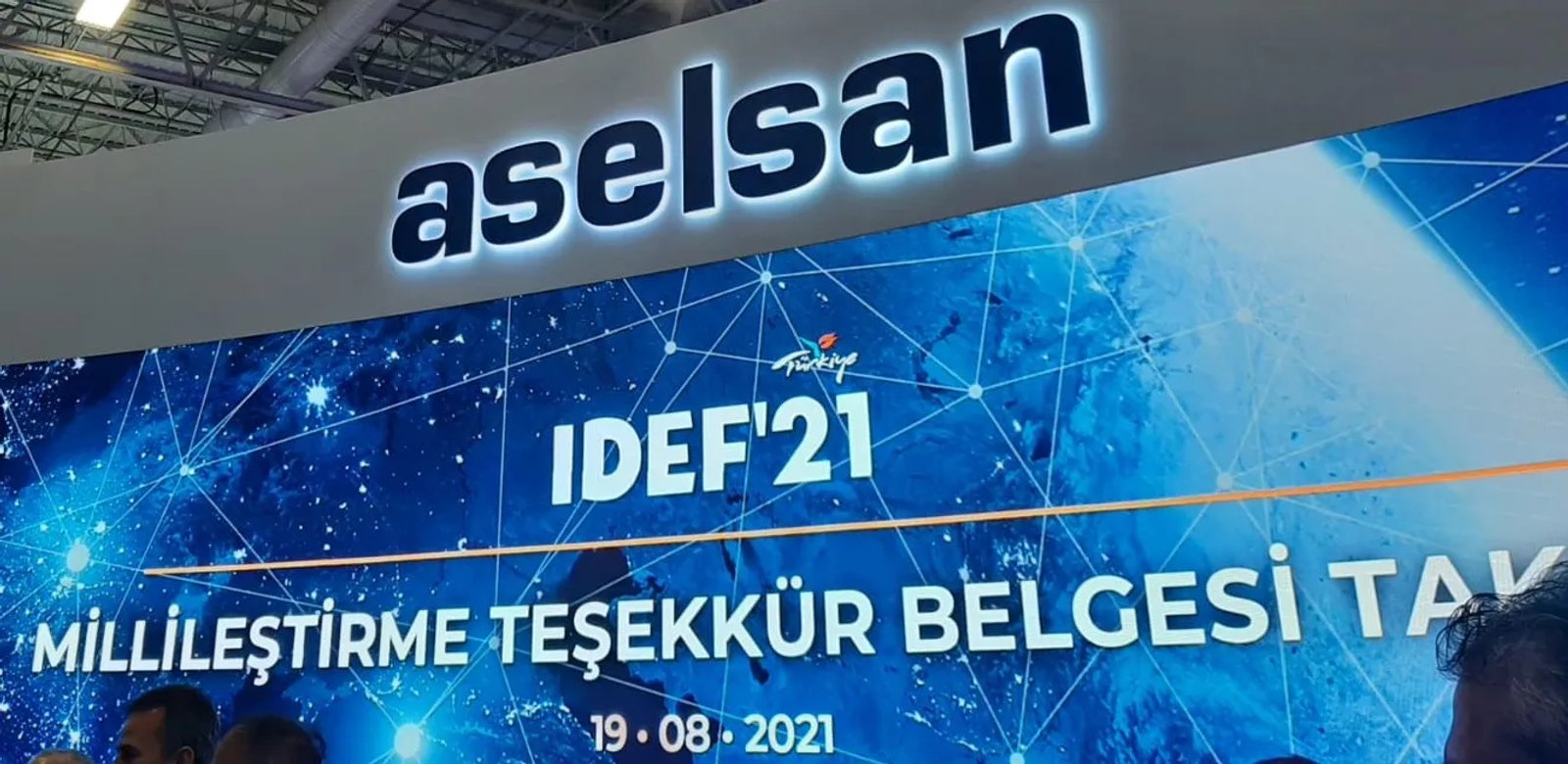
ASELSAN, Turkey’s leading defence electronics company, announced strong growth in its financial results for the first half of 2026. The company attributes the marked increase in net profit to rising domestic demand and an expanding export portfolio.
The background to the growth
Growth at defence electronics companies usually stems not from a single quarter’s sales performance but from contracts signed in previous years entering the delivery schedule. That new contracts signed across Turkey in 2025 reached 17.8 billion dollars indicates a delivery load extending into the coming periods. Total defence exports including services that year were announced as 10.5 billion dollars, an increase of about 48 per cent on the 7.1 billion dollars recorded in 2024.
Why the order backlog matters
One of the most meaningful indicators for assessing a defence company’s financial health is the order backlog rather than period profit. The backlog shows how much of future revenue has been secured by contract. In projects with long delivery times, the ratio of that figure to revenue reveals how many years of production visibility the company holds.
The company’s position in the sector
ASELSAN is ranked third in international comparisons in air defence, behind RTX and Lockheed Martin. The company’s product range is not limited to air defence; communications, electronic warfare, radar, electro-optics and command and control systems are also in the portfolio. That diversity is regarded as an element limiting revenue volatility caused by schedule slippage in any single programme.
The R&D share
Officials emphasise that the share of R&D investment in total revenue continues to run high. Product life is short in defence electronics; technology in radar, electronic warfare and communications systems can lose currency within a few years. Keeping the R&D share high is therefore read as a strategy for protecting future competitiveness rather than current profitability.
Currency effects and the comparison problem
Inflation accounting and currency effects should not be overlooked when assessing defence industry financial results. Growth rates announced in Turkish lira terms can diverge markedly from performance in dollar terms. A rising share of export revenue in the total stands out as a factor partly balancing that effect.
Assessment
First-half results present a picture consistent with the general rise in sector demand. The company is reported to be targeting a similar growth performance in the second half of the year. For detailed financial data, the official disclosures the company publishes on the Public Disclosure Platform should be taken as the basis; summary figures reported in the press are not always sufficient for period comparison.