Turkish Defence Exports Jump 61% in October, Topping $11.3 Billion for the Year

Türkiye’s defence and aerospace exports jumped 61 percent year-on-year in October, reaching $1.14 billion and pushing the rolling 12-month total past $11.3 billion for the first time, according to the head of the country’s defence procurement agency.
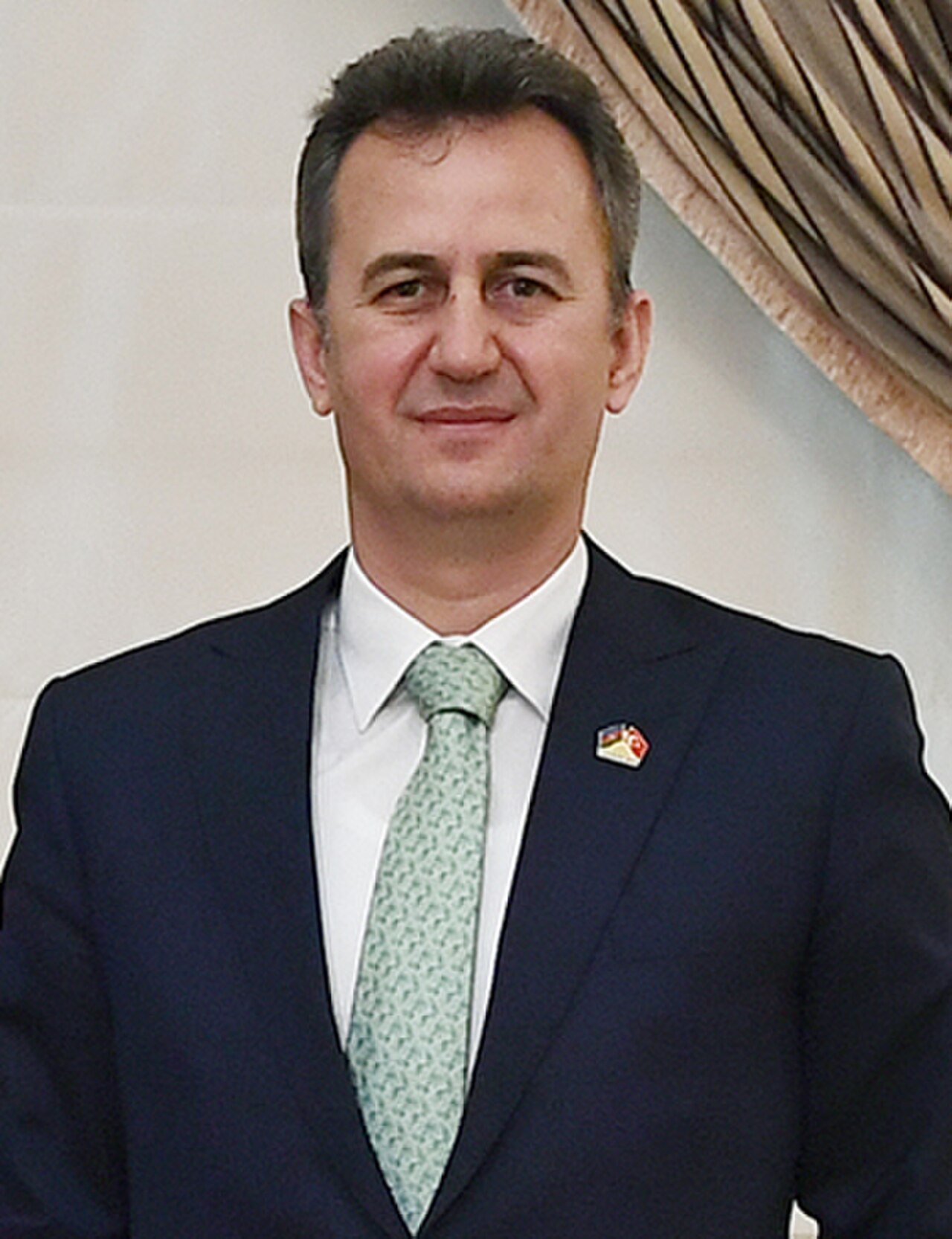
Haluk Görgün, president of the Presidency of Defence Industries (SSB), posted the figures on November 3, and Anadolu Agency carried the announcement the same day. The 12-month rolling total reached $11.357 billion, up 37 percent year-on-year and already above the $11 billion mark SSB had been tracking toward. Cumulative exports for January through October stood at $8.05 billion, up 21 percent from the same period in 2025.
Görgün framed the figures as evidence that Türkiye is carrying “domestically developed technologies into international markets,” a line he has repeated through a year of monthly SSB export updates. The agency has not broken October’s total down by company, platform or destination country — it rarely does before full-year figures are finalized the following year — so the number stands for now as a strong but largely unitemized data point.
A Big Month, Even by This Year’s Standard
October’s 61 percent jump is the sharpest single-month increase SSB has reported in 2026. The agency’s figures earlier in the year showed steadier, more modest growth by comparison. The spike coincides with a run of large contract disclosures from ASELSAN, Türkiye’s largest defence contractor by revenue, which signed a $1.1 billion air defence export agreement with an undisclosed overseas customer in the same week, on top of a $442.5 million radar and counter-drone deal and a €523 million SSB contract signed earlier in October.
A signed contract and a customs-cleared export shipment are not the same thing, and SSB’s monthly totals track the latter, so none of those disclosures map directly onto the October export figure. But the pattern fits an industry whose order backlog has been growing faster than its delivery rate. ASELSAN alone reported an order backlog above $30 billion for the first time this year, and a recent DefenceTürkiye analysis found most Turkish primes are now booking work years ahead of what they can physically ship.
Why the Trajectory Matters
For foreign buyers and competitors, the trend line matters more than any single month. Türkiye has set a formal target of $11.5 billion in defence and aerospace exports for 2027, alongside a goal of raising domestic content to 84 percent. If the current 12-month total of $11.357 billion holds or keeps climbing, that target looks reachable a year early — though SSB’s own forecasting has tended to be exceeded by the industry rather than the other way around.
The growth also feeds a narrative Ankara has pushed since Russia’s invasion of Ukraine narrowed Moscow’s export options: that Türkiye is positioned to pick up market share among buyers who previously bought Russian, or restricted Western, equipment. Whether that claim holds up varies by product category and customer — a question DefenceTürkiye has examined in detail — but the export figures give Ankara’s pitch a harder number to point to.
What the figures do not show is where the growth is concentrated. Türkiye’s export disclosures are, by law and by habit, light on customer and platform detail — contracts are routinely announced with the buyer’s name withheld — so outside analysts are left inferring the sources of growth from the same string of ASELSAN, Baykar and Roketsan announcements that populate SSB’s own press cycle. For now, the October number stands as the strongest monthly reading Türkiye’s defence industry has posted this year, in what is already, on SSB’s own figures, its best year yet for defence exports.
Source: Anadolu Agency, citing SSB President Haluk Görgün, November 3, 2026.