Türkiye and Cambodia Sign Defense Cooperation Framework

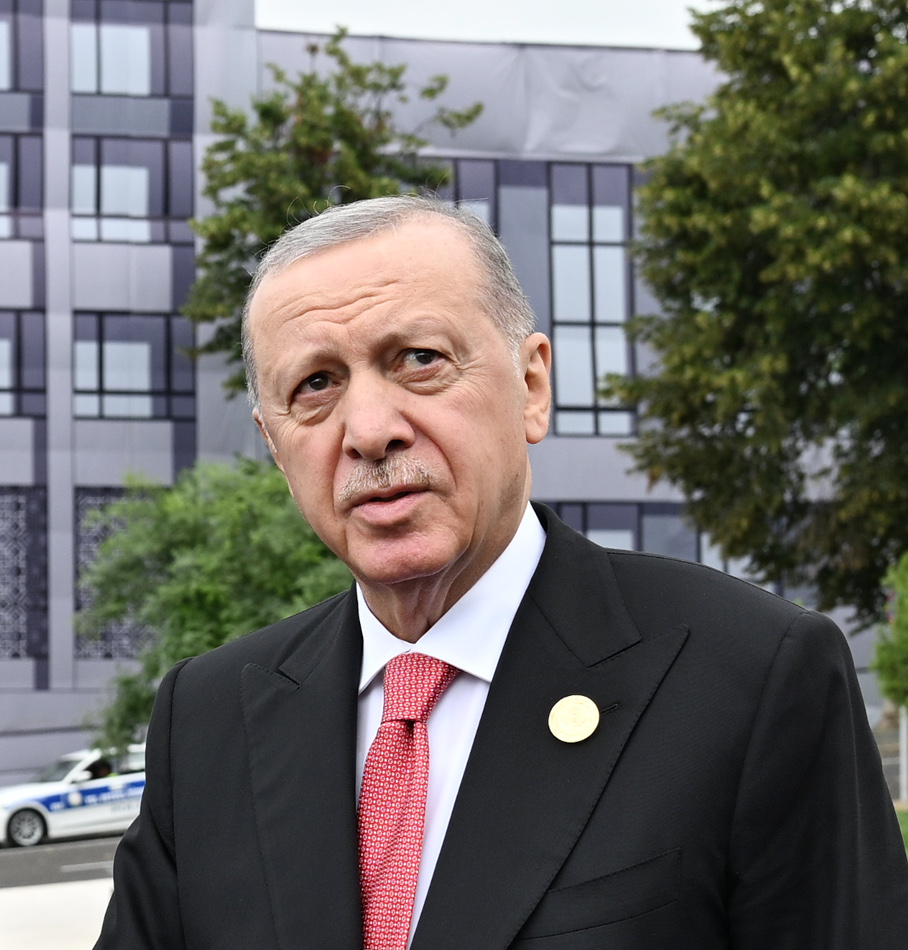
Türkiye and Cambodia signed a military framework agreement in Istanbul on October 16, opening a formal channel for defense cooperation between the two countries as President Recep Tayyip Erdoğan singled out Cambodian interest in Turkish defense products during a joint press conference with Prime Minister Hun Manet.
The agreement was signed at the Dolmabahçe Working Office on the sidelines of Hun Manet’s working visit to Türkiye. Turkish Foreign Minister Hakan Fidan signed on behalf of Ankara; Cambodian Deputy Defense Minister Prak Sovanna signed for Phnom Penh, according to Anadolu Agency (AA) and Daily Sabah. Neither side has published the text of the agreement, and officials have not disclosed specific programs, platforms or figures tied to it.
A framework, not a contract
What was signed in Istanbul is a cooperation framework — the kind of government-to-government instrument Türkiye has used repeatedly over the past two years to formalize defense ties before any hardware changes hands, similar in shape to the defense cooperation roadmap Ankara signed with France earlier this month. It establishes a legal and institutional basis for cooperation in areas such as training, industrial dialogue and future procurement discussions, but it is not a purchase agreement and commits Cambodia to no specific Turkish system.
That distinction matters. Erdoğan told reporters that “Cambodia’s interest in Turkish defense products shows significant potential for cooperation” — language that signals an opening, not a sale. Readers should not confuse this framework with a confirmed order; no quantities, platforms or delivery dates have been announced by either government, and Turkish contract disclosures often withhold customer details even once a deal is signed.
Erdoğan courts a new Southeast Asian partner
Erdoğan described Cambodia as “an important partner in Southeast Asia,” and the two leaders discussed trade, investment, defense industry, energy, education and culture alongside the security talks. A Türkiye-Cambodia Business Forum ran in parallel with the visit. The two countries had agreed in 2018, during a visit by then-Prime Minister Hun Sen, to a $1 billion bilateral trade target; Erdoğan said Friday that “our efforts to achieve this target are still continuing,” an indication the goal has not yet been reached eight years on.
Hun Manet, who has led Cambodia’s government since 2023, said the two countries had “taken concrete steps to strengthen our cooperation in the political, defense and security fields” and pointed to Cambodia’s membership in the Regional Comprehensive Economic Partnership (RCEP) as a route for Turkish firms into wider Asian markets. He also welcomed Türkiye’s recent status as an ASEAN dialogue partner and invited Erdoğan to visit Cambodia.
Part of a wider Southeast Asia push
The Cambodia agreement extends a pattern of Turkish defense diplomacy across Southeast Asia that has gathered pace since 2023. Indonesia has emerged as Türkiye’s anchor customer in the region, including Baykar’s first export agreement for the Bayraktar Kızılelma combat drone and PT Pindad’s license-production of the Kaplan medium tank as the Harimau. Malaysia has taken delivery of Turkish-built Littoral Mission Ships from Istanbul Shipyard, and the Philippines and Pakistan have both bought Turkish unmanned systems in recent years.
Cambodia itself has been modernizing a comparatively small, aging military as tensions with Thailand over their shared border have flared intermittently since a late-2025 ceasefire. Erdoğan addressed that dispute directly, calling for a peaceful, dialogue-based resolution under international law and noting that Türkiye has assisted more than 3,000 people affected by the clashes alongside Cambodian authorities, with humanitarian aid set to continue. Ankara’s push for defense ties with a country navigating an active border dispute is itself notable: Turkish officials are betting that a modernization-minded government with unresolved security concerns is more receptive to new suppliers.
Why it matters for Türkiye’s export drive
For an export sector that has passed $7.4 billion in sales this year and is chasing a full-year record, a framework agreement with a country that has bought nothing from Türkiye before is a low-cost way to open a door. It costs Ankara little and gives Turkish firms — from Baykar’s drones to Roketsan’s loitering munitions and Aselsan’s electronic systems — a formal channel to pitch Cambodian procurement officials without committing either government to a specific deal. Whether it converts into an actual contract will depend on follow-up visits, financing terms and how Cambodia’s modernization priorities evolve against the backdrop of its border tensions with Thailand.
Sources: Anadolu Agency, Daily Sabah, Khmer Times, Türkiye Today, Presidency of the Republic of Türkiye (tccb.gov.tr).