The Date of TEKNOFEST 2026 Becomes Clear

The 2026 calendar of TEKNOFEST, one of the largest events in aviation, space and technology, has been announced. Competitions and demonstrations are planned across a wide range, from unmanned aerial vehicles and rockets to artificial intelligence and electric flight technologies.
A competition-centred model
What distinguishes TEKNOFEST from a conventional air show is that technology competitions sit at its centre. Student teams design to a defined specification, build prototypes and enter field testing. For participants, that process becomes the first experience of moving from theory to product development. Competition categories include unmanned aerial vehicles, rockets, unmanned surface vessels, artificial intelligence and electric flight.
A human capital function for industry
One of the main constraints on the growth of the defence and aviation industry is the need for qualified engineers and technicians. Teams taking part in the competitions are reported to be closely followed by prime and subcontractor companies. In that respect the event functions as a platform contributing directly to the industry’s recruitment pool.
The Blue Homeland strand
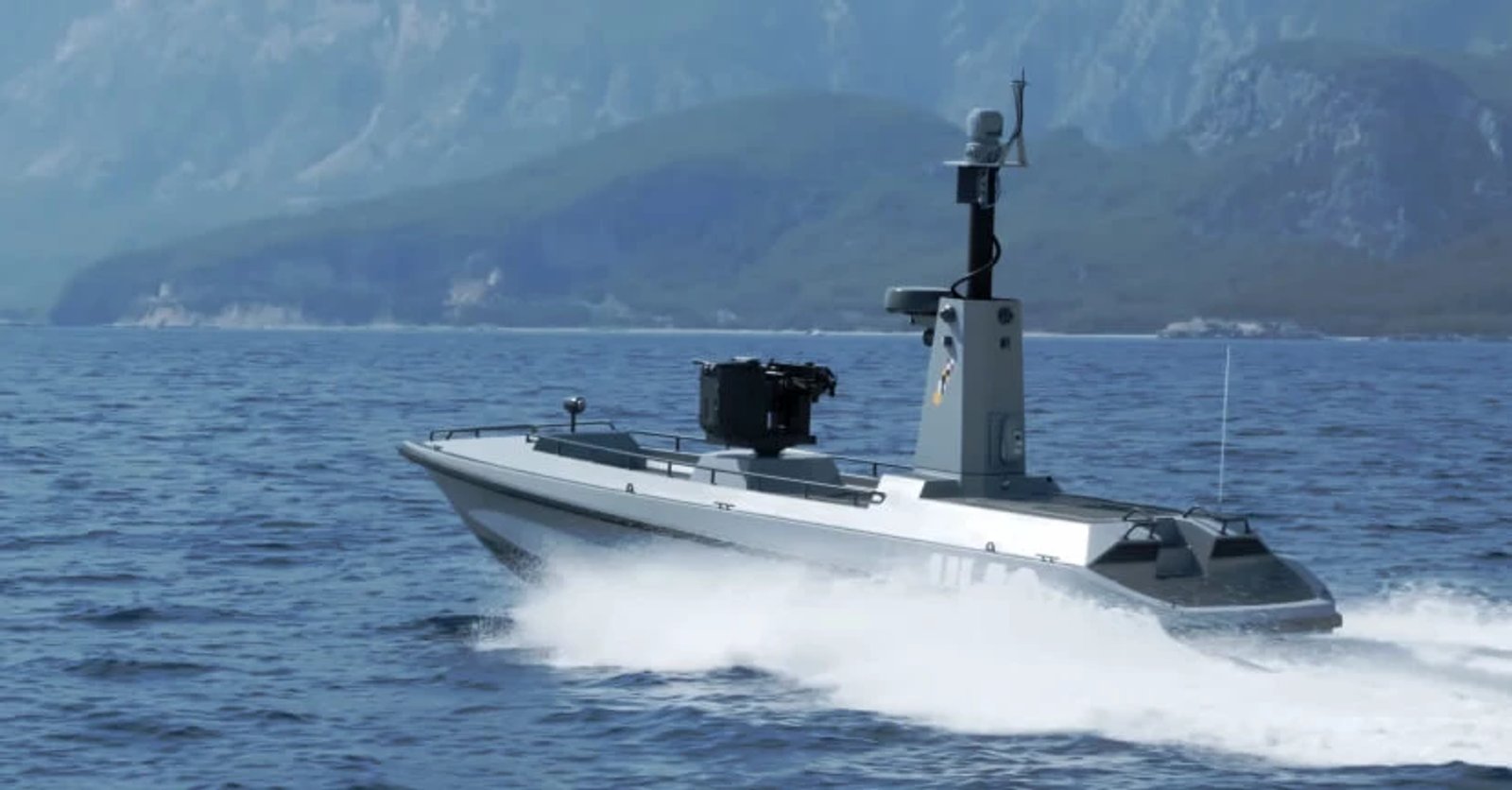
The event family has expanded in recent years with a separate programme focused on maritime technologies. Unmanned surface vessels were tested in the field under TEKNOFEST Mavi Vatan 2026; TUFAN, the kamikaze unmanned surface vessel developed by ASELSAN with ARES Shipyard, carried out its first water trials within that programme between 20 and 23 August. That structure shows the competition-based model can be adapted to different domains.
The role of demonstration flights
Demonstration flights held at the event are among the first venues where platforms under development meet the public. A demonstration flight does not, however, mean a platform has reached operational maturity; certification and serial production qualification continue as separate processes. Observing that distinction matters for correctly assessing the distance between a launch and entry into the inventory.
Scale and logistics
Organising an event hosting hundreds of thousands of visitors requires broad organisational capacity, from airspace coordination to transport and security planning. Holding the event in different cities widens access while also bringing a requirement for infrastructure that must be rebuilt each year.
Assessment
The organising committee states that it expects the event, which aims to raise young people’s interest in science and technology, to draw more participants and visitors than in previous years. The long-term effect of such events is measured less by visitor numbers than by how much of the projects developed in the competitions converts into industry or academic work. Sharing data on the tracking of team projects would make that effect easier to assess.